
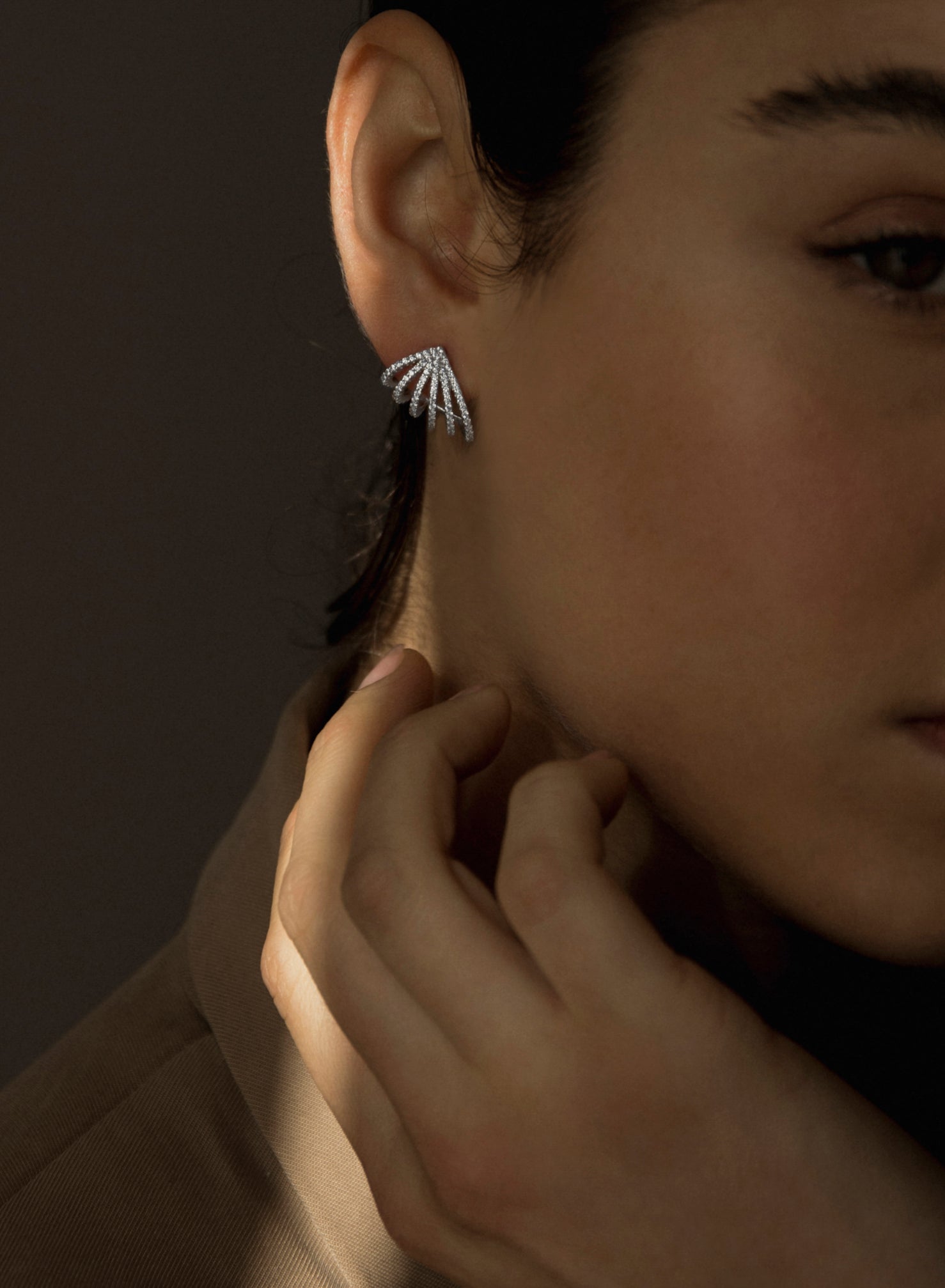
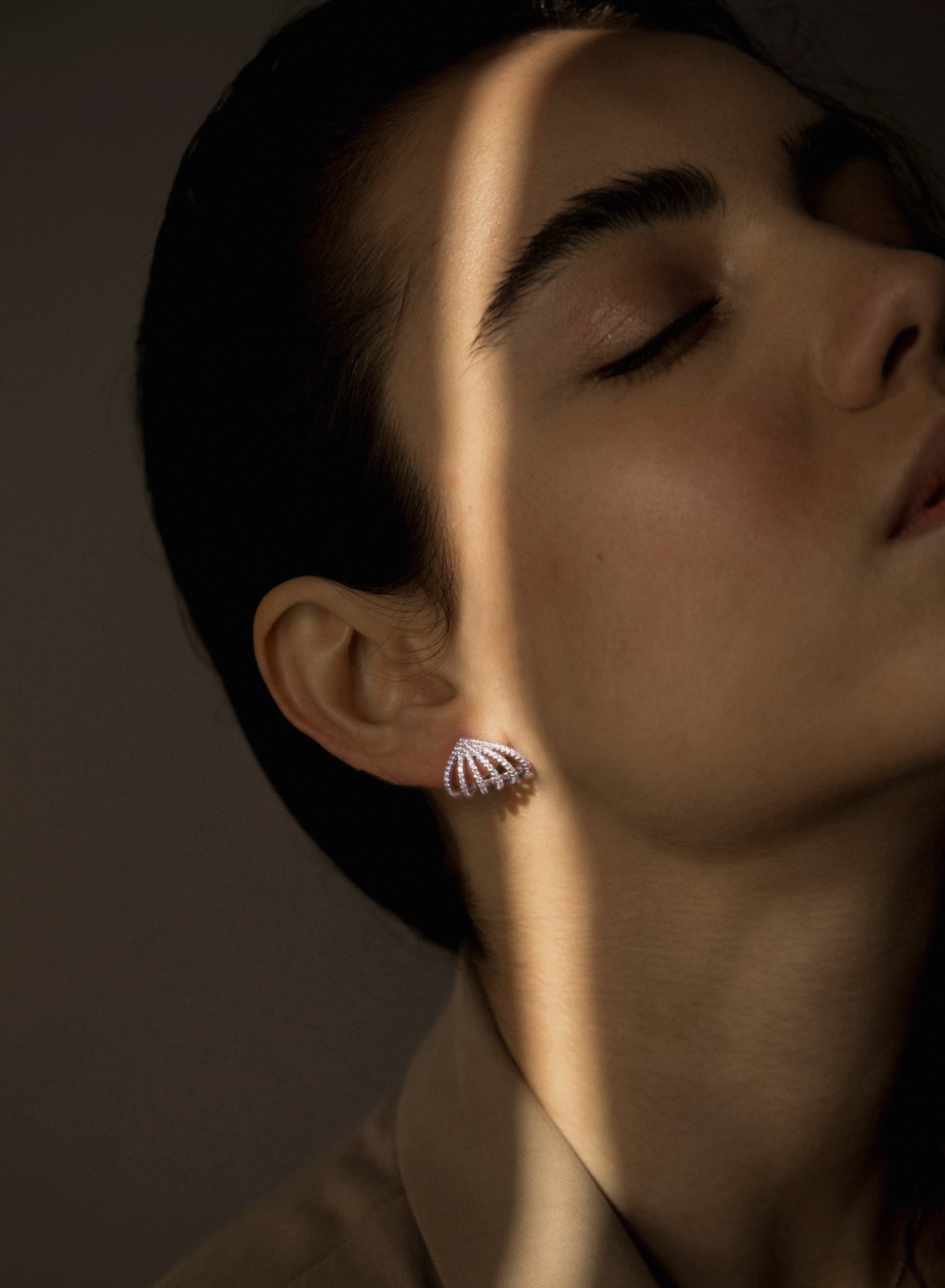
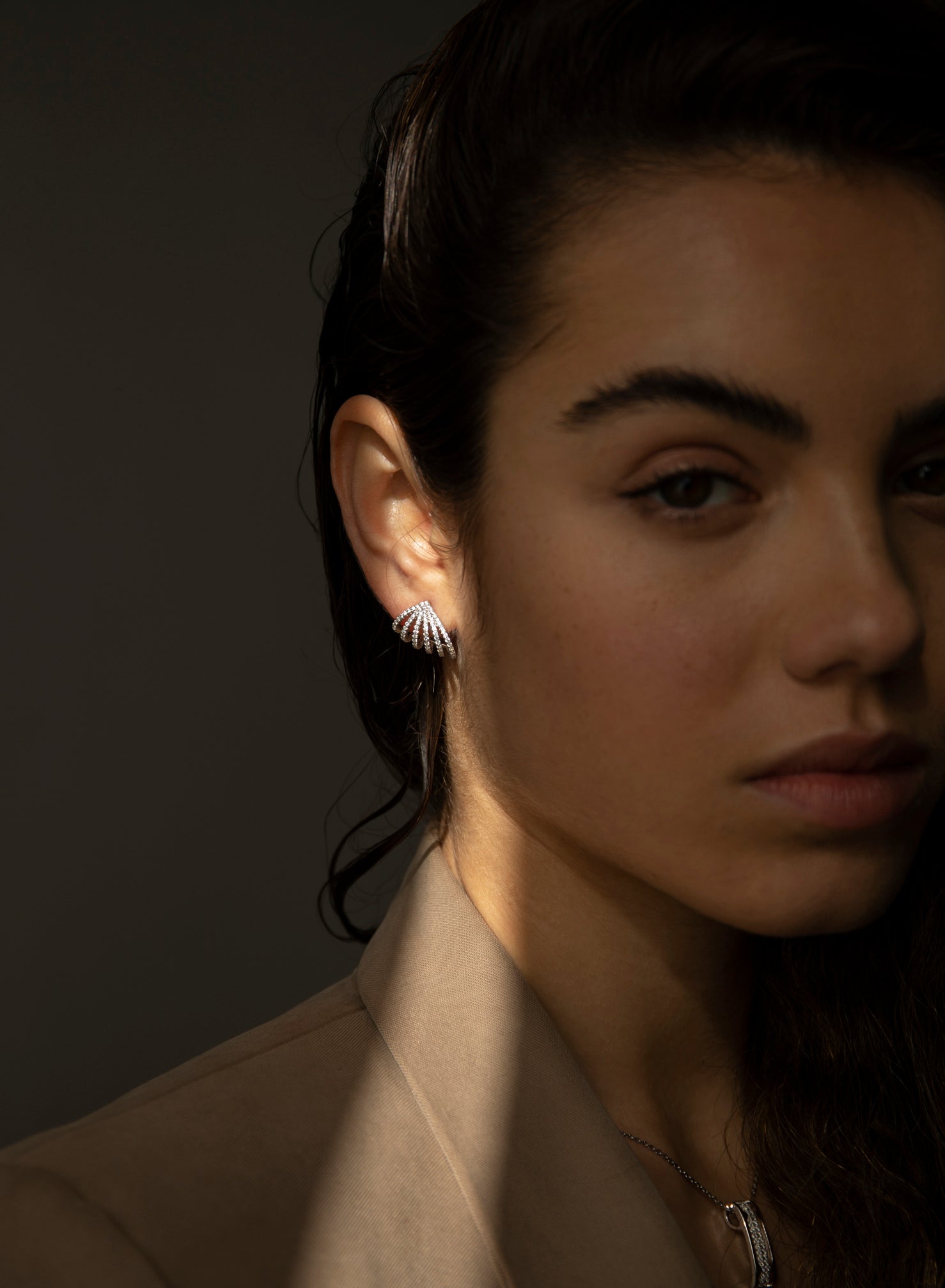
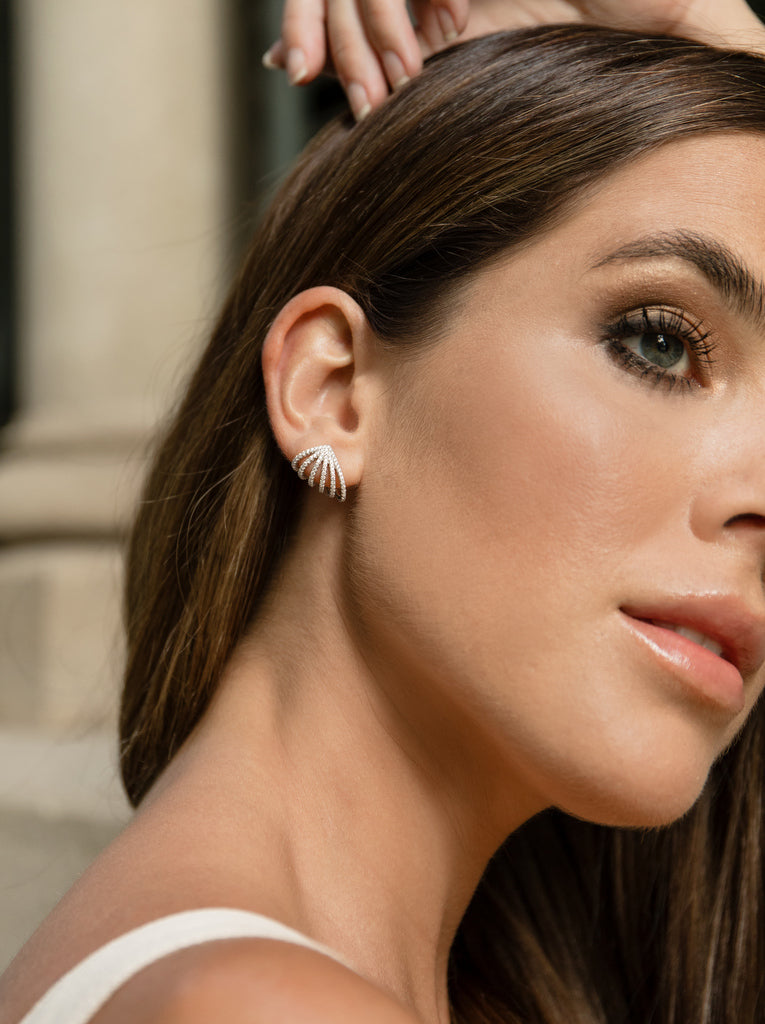




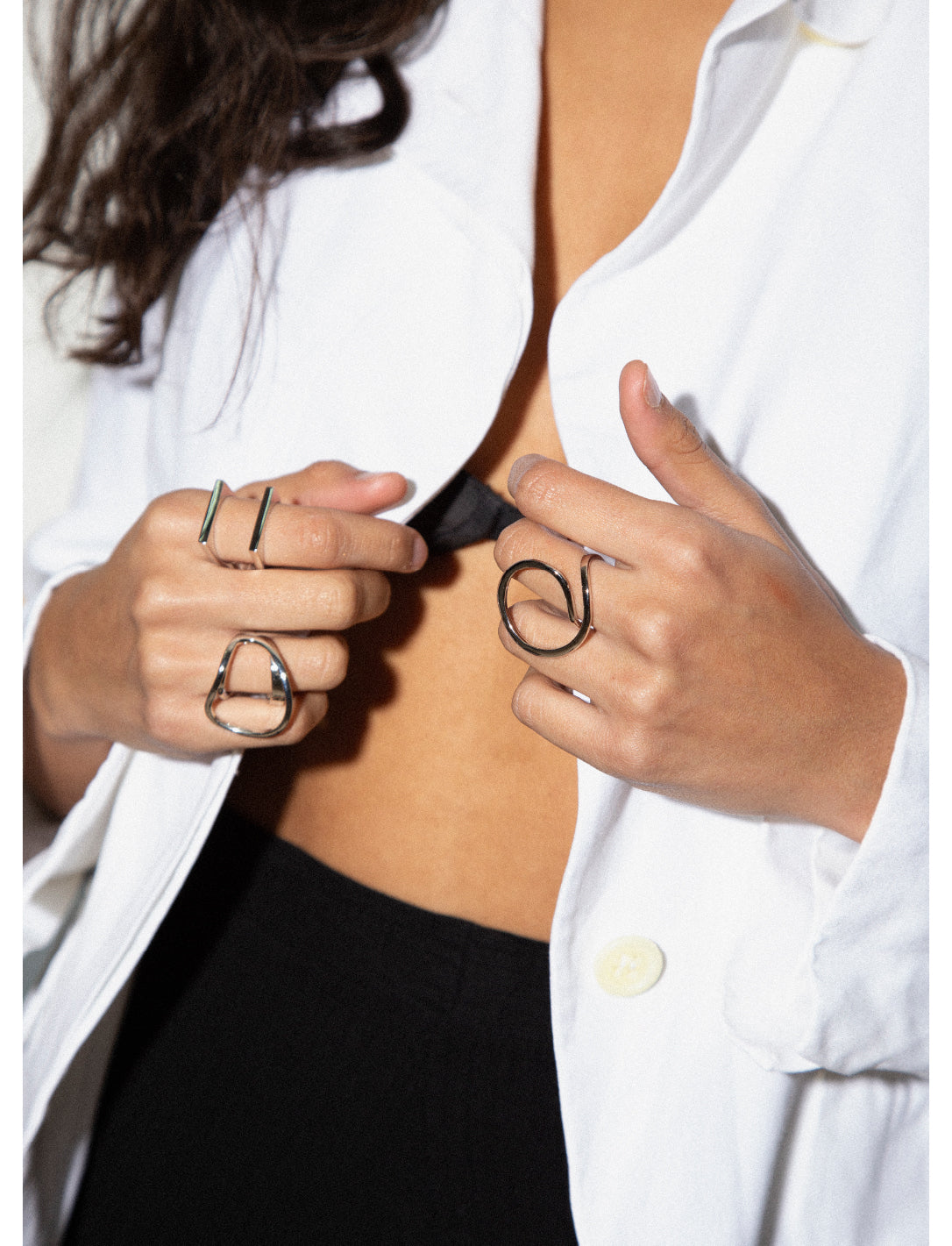
Which silver doesn't tarnish? Discover the best option for you.
Silver is one of the most prized metals in jewelry thanks to its shine and elegance, but many people wonder why some pieces tarnish over time. If you've ever bought a silver ring or other silver jewelry...
Is there any type of silver that doesn't tarnish? The answer is yes, and in this article we explain the best options and how to care for your jewelry so it always looks perfect.
Why silver tarnishes: The real causes
Contrary to popular belief, silver does not rust like iron, but rather undergoes a process of sulfation . This occurs when the metal comes into contact with sulfur present in the air, chemicals, and even the skin's own pH.
Some of the most common causes of silver tarnishing include:
✔ Exposure to air and humidity: The sulfur present in the environment reacts with the silver, forming a dark layer.
✔ Contact with cosmetic and chemical products: Perfumes, creams, chlorine or detergents can accelerate the process.
✔ Skin pH: Some people have a more acidic pH, which causes silver to tarnish faster.
✔ Improper storage: Storing jewelry without protection can increase its exposure to moisture and air.
Fortunately, not all silvers react the same way, and there are types of silver that are much more resistant to tarnishing.
Types of silver and their resistance to tarnishing
Not all silvers are the same, and their composition influences how quickly they tarnish.
1. Pure silver (999 or 1000 thousandths)
- It is the purest silver, without alloys.
- It is less likely to blacken because it does not contain metals that react with sulfur.
- However, it is softer and less durable for everyday jewelry.
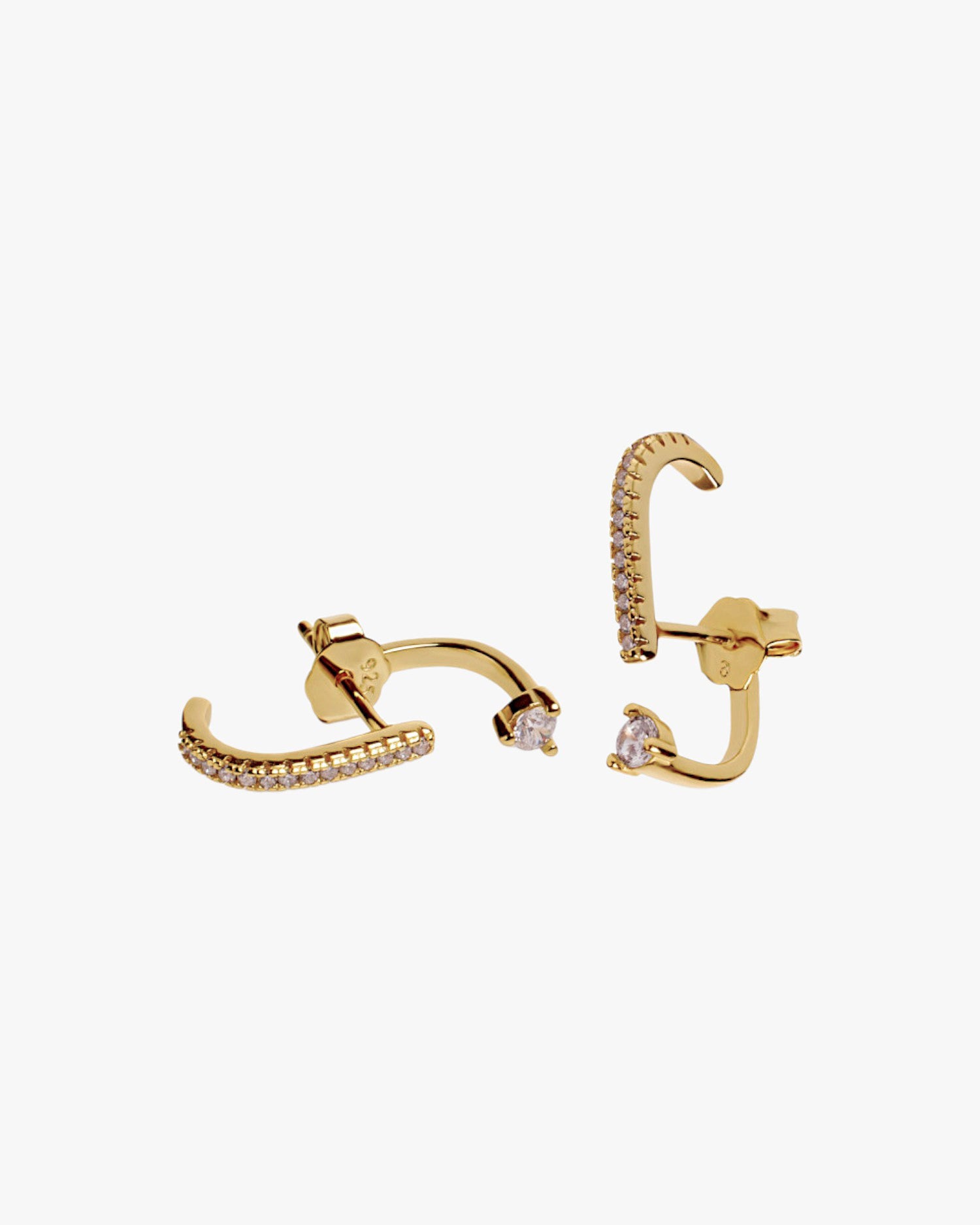
2. Sterling silver (925 thousandths)
- The most commonly used in jewelry.
- It contains 92.5% silver and 7.5% copper or other metals.
- Its alloy with copper makes it more resistant, but also more prone to darkening over time.
3. Rhodium-plated silver
- The best option if you want a silver that won't tarnish.
- Rhodium is a precious metal that coats silver and prevents it from sulfating.
- It has a more intense shine and greater durability.
4. Silver with palladium or platinum
- Some jewelry stores mix silver with palladium or platinum instead of copper.
- These alloys are more resistant to blackening.
- These are more exclusive and more expensive options.
If you're looking for silver that won't tarnish, the best option is rhodium-plated silver or alloys with palladium or platinum.
Pure silver vs. sterling silver: Which is better?
While pure silver is less prone to tarnishing, its use in jewelry is limited due to its softness. On the other hand, sterling silver is more durable, but it can tarnish over time.
If you're looking for silver that effortlessly maintains its shine , the best option is rhodium-plated sterling silver , as it combines strength and protection against oxidation.
How to prevent silver from tarnishing
If you already own silver jewelry and want to keep it looking its best, follow these tips:
✔ Store them in a dry, airtight place: Use cloth bags or airtight boxes to avoid exposure to air.
✔ Avoid contact with chemicals: Remove your jewelry before applying perfumes, creams, or cleaning products.
✔ Clean them regularly: Use a special silver cloth or specific products to maintain their shine.
✔ Wash them with baking soda and warm water: A home trick to remove blackening is to rub them with a mixture of baking soda and water.
✔ Use them frequently: Interestingly, silver that is used regularly tends to tarnish less.
Myths and truths about silver and oxidation
There are many beliefs about silver that aren't always true. Here we clear up some doubts:
❌ "Genuine silver does not tarnish."
✅ FALSE: Real silver can tarnish, but its reaction depends on the type of alloy and the care it receives.
❌ "If silver tarnishes, it's of poor quality."
✅ FALSE: Even high-quality 925 sterling silver can tarnish over time if not properly cared for.
❌ "Sweat or perfume damages silver."
✅ TRUE: The acids present in sweat and the chemicals in perfumes can accelerate the tarnishing of silver.
The best option if you're looking for durable silver
If you don't want to worry about silver tarnishing, the best option is to choose rhodium-plated silver or silver with palladium or platinum alloys. These options offer greater durability and a lasting shine.
And if you already have silver jewelry, remember that with a few simple care you can keep it looking impeccable for years.
Now that you know which type of silver doesn't tarnish , choose the best option for you and enjoy its elegance without worries.
Read more
What does it mean to wear pearl earrings?
Pearls have captivated women worldwide for centuries. They are more than just jewelry; they are small treasures of nature, imbued with meaning. From royalty to modern trends, pearl earrings have l...
Read more
How to combine party earrings to shine on every occasion
Have you ever had that feeling of standing in front of the mirror, wearing the perfect dress, but feeling like something is missing? That final touch that transforms a common look into something tr...
Read more