
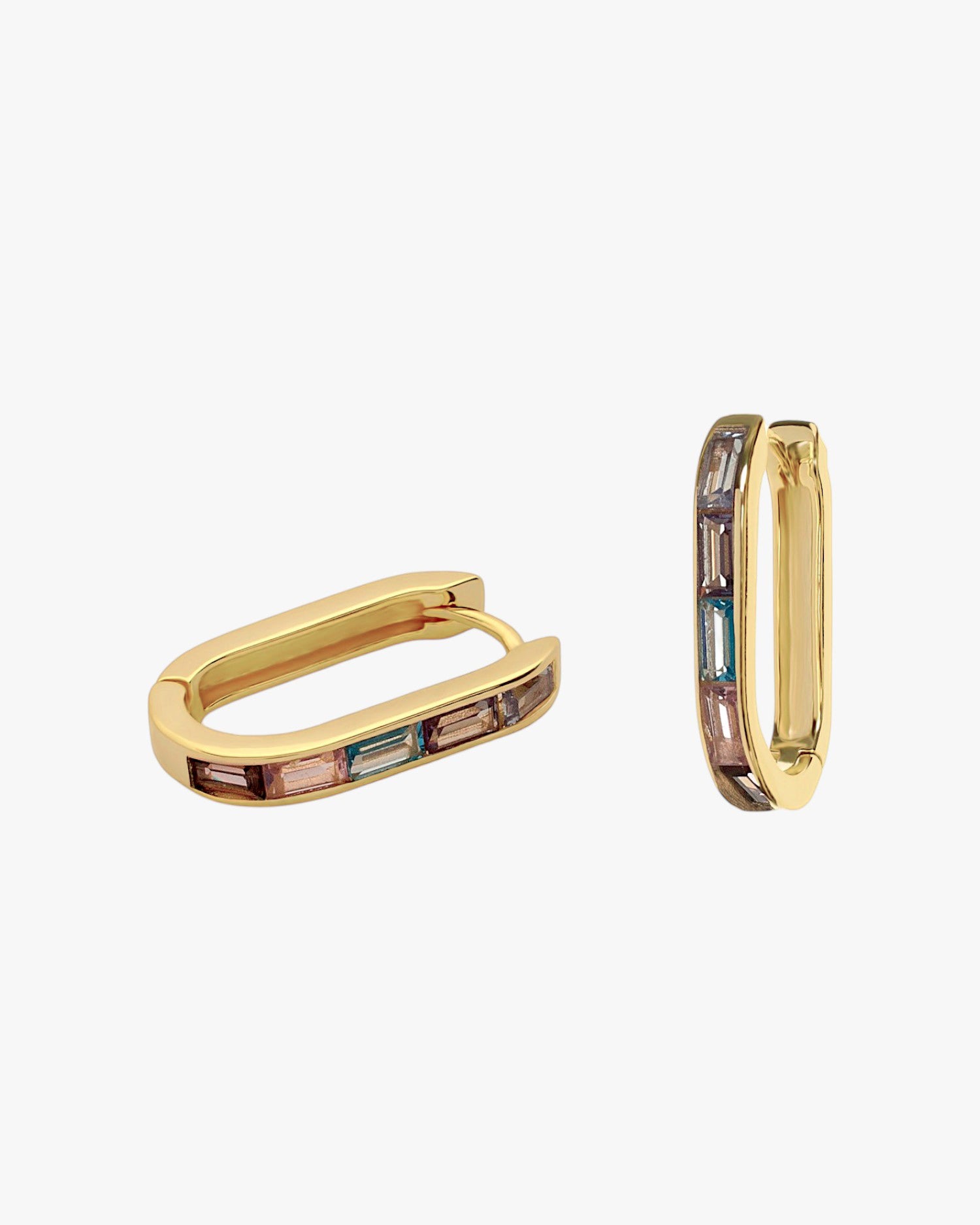




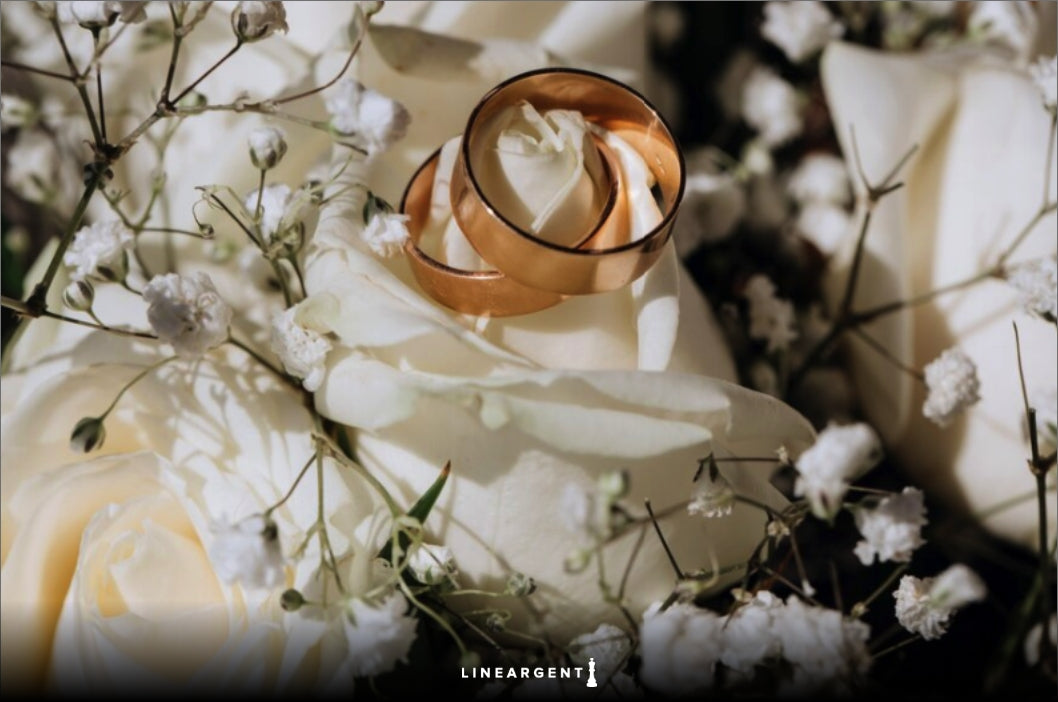
Who buys the brides' wedding jewelry?
A wedding is one of the most symbolic moments in a couple's life, and the jewelry worn on that day is more than just adornment: it represents love, commitment, elegance… and also cultural heritage. Among the many questions that arise during the planning process, one often comes up: who buys the bride's wedding jewelry?
Traditionally, this decision was governed by clear social norms. Today, however, many couples are seeking more flexible, personal, and equitable ways to share this process.
In this article we'll explore what tradition says, how modern couples do it, what jewelry is considered "wedding jewelry," and most importantly: how to make the best decision for you and your love story.
Tradition: Who used to buy the bride's jewelry?
The groom's role in buying the ring
In Western tradition, the engagement ring has historically been purchased by the groom. It was a surprise, a unilateral gesture of love and promise. During the wedding, he also typically took charge of the wedding bands, presenting them at the altar as a symbol of the union.
This gesture was based on a classic model where the man "provides" and the woman receives. Although beautiful in its intention, many people today no longer feel represented by this approach.
Symbolic gifts from parents or godparents
In many cultures, the groom's parents or godparents were responsible for giving the bride her jewelry (especially the earrings, necklaces, or bracelets she would wear that day). This act had symbolic and familial value: it was a way of "blessing" the union.
In countries like Mexico, Colombia, or Spain, this custom is still followed in more traditional weddings.
Customs according to cultures
Spain: the rings are given as a gift by the godparents.
Latin America: it is customary for the boyfriend or his parents to give the jewelry as a gift.
United States: the groom buys the ring, and the wedding bands can be a joint purchase.
Asia/India: jewelry is a family inheritance and its delivery is a whole ritual.
Today: who actually buys wedding jewelry?
Modern couples: joint decision
Today, many couples prefer to decide together what to buy, how to buy it, and how to finance it. It's no longer unusual for both to participate in choosing the ring, for the wedding bands to be purchased jointly, or for the bride to choose her earrings or necklace according to her style… and pay for it herself.
Tradition dictates that the groom buys the rings, but more and more couples are deciding together. That phrase perfectly sums up the evolution we are witnessing.
The boyfriend, the girlfriend… or both?
There's no set rule. These are the most common options:
The groom buys the engagement ring.
Alliances are purchased together.
The bride chooses her earrings, necklace or tiara with help or as a gift from family.
Godparents contribute symbolic or family jewelry.
The most important thing is that it is a conscious, comfortable and meaningful choice for the couple.
Real-life cases: different ways to do it right
Lucía and Javier bought the wedding rings together, but he gave her the earrings as a surprise.
Ana and Teresa chose their jewelry together, split the costs, and asked their parents for help with the tiara.
Pedro and Sofia received the rings as a gift from their godparents, and wore a family bracelet as "something borrowed".
All of these decisions are valid. The key is that they reflect their history.

What jewelry is considered "wedding jewelry" for the bride?
Engagement ring vs wedding bands
The engagement ring is usually given before the wedding. It's the symbol of "I do." Wedding bands, on the other hand, are exchanged during the ceremony and are the true symbol of marriage.
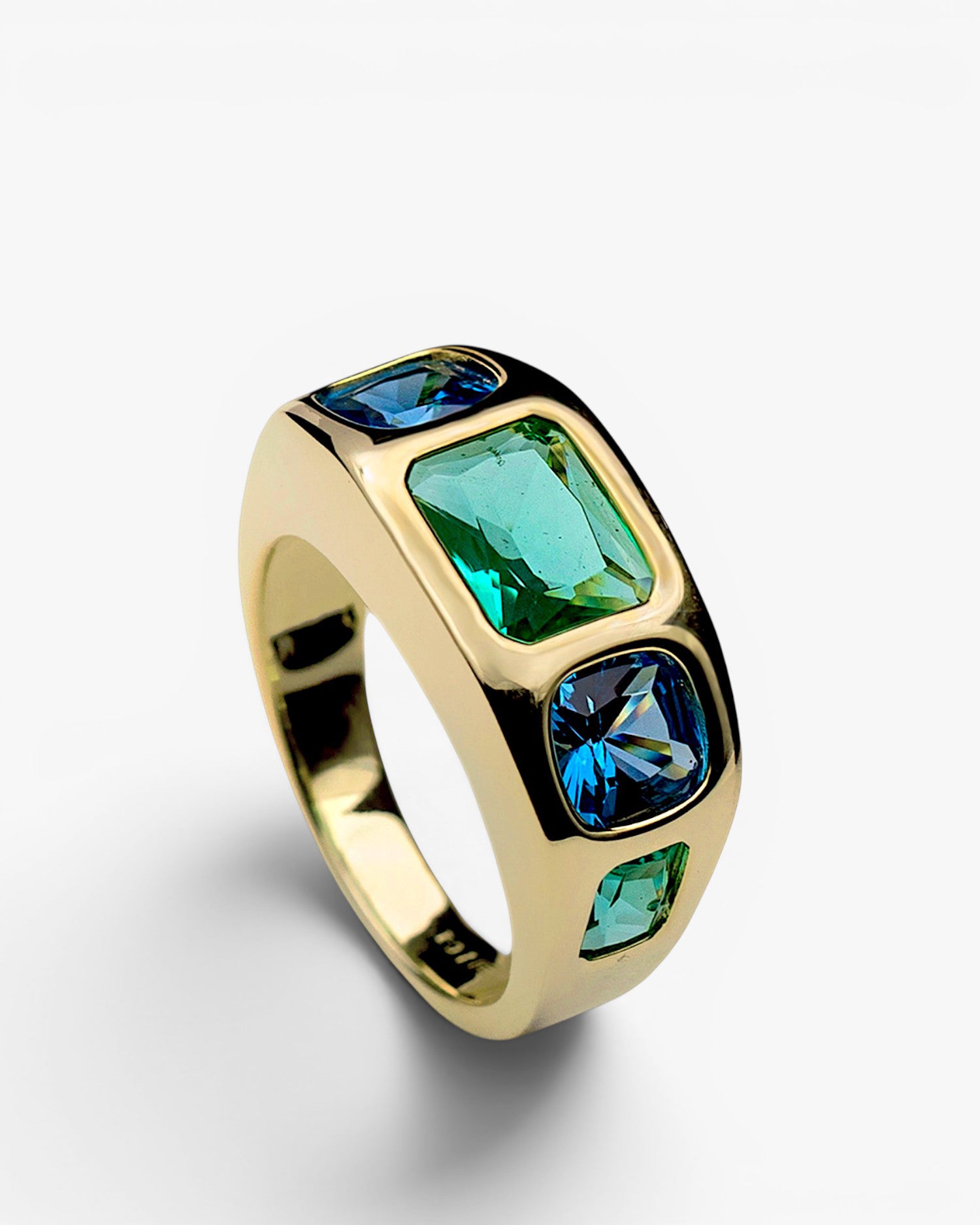
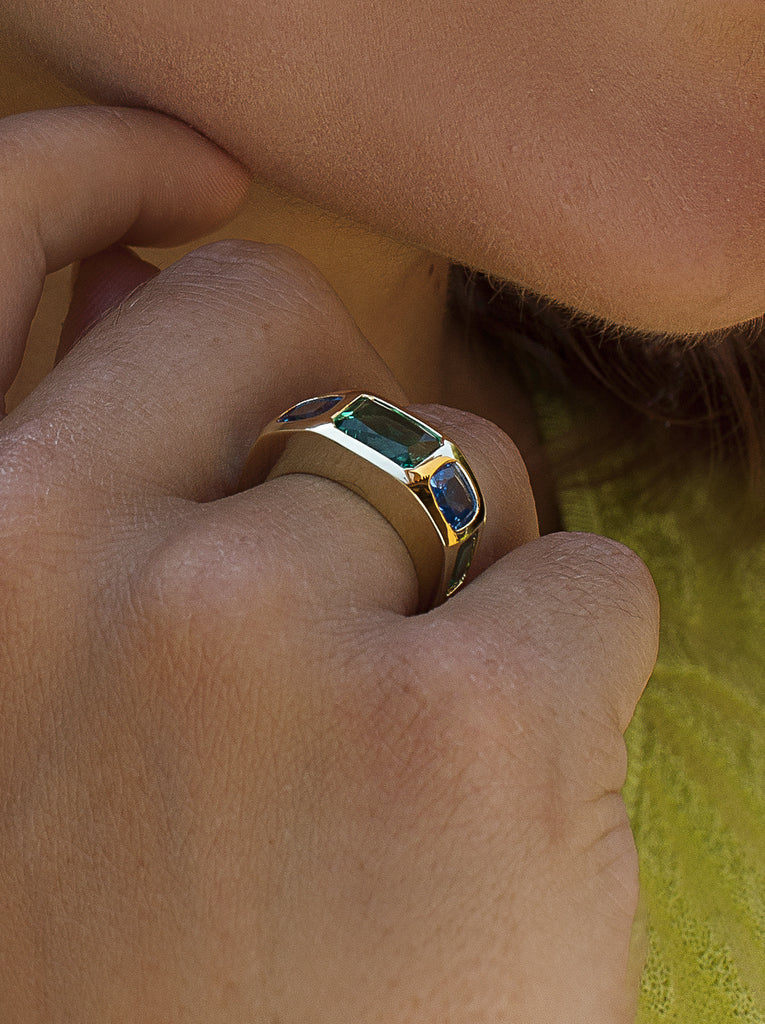
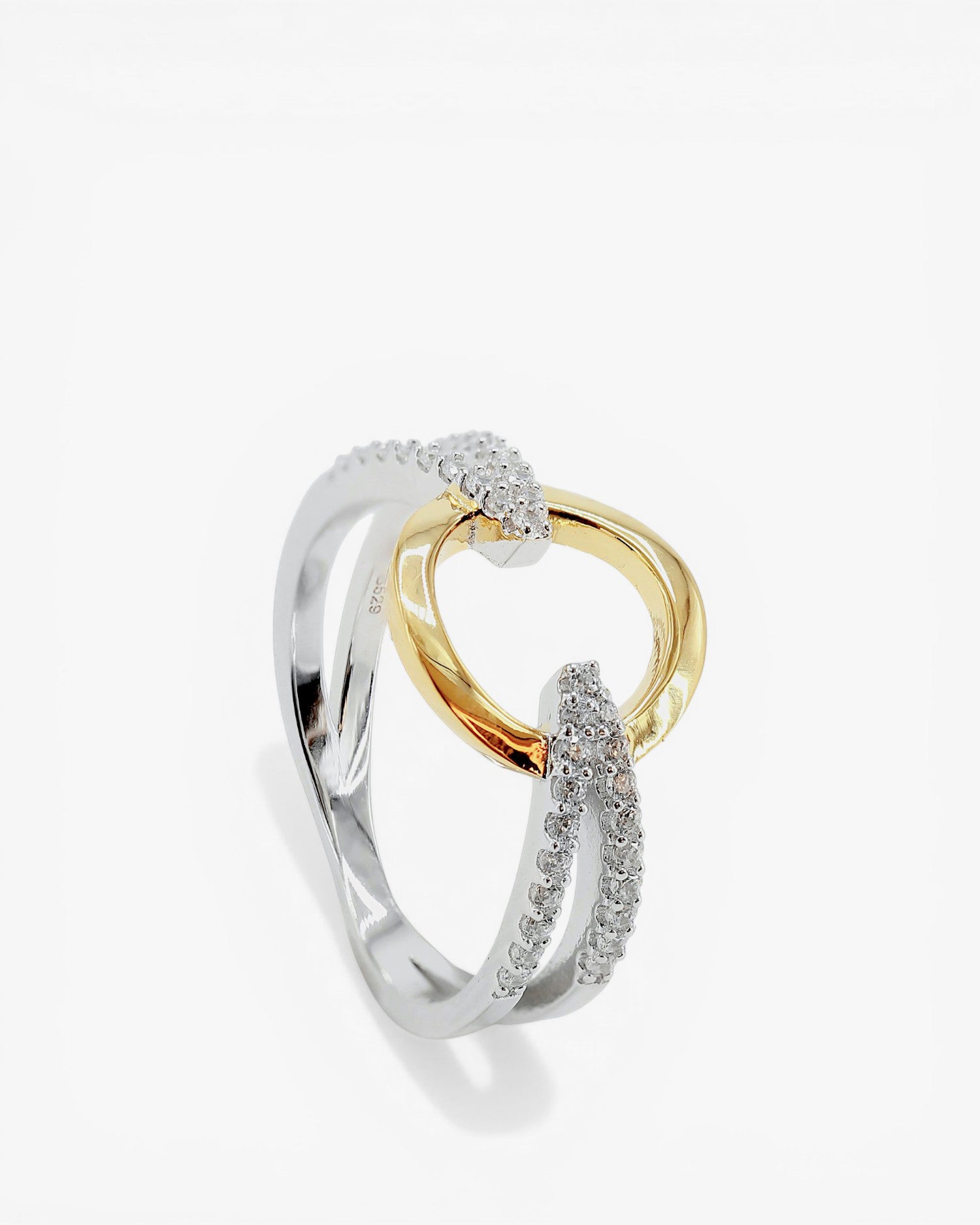
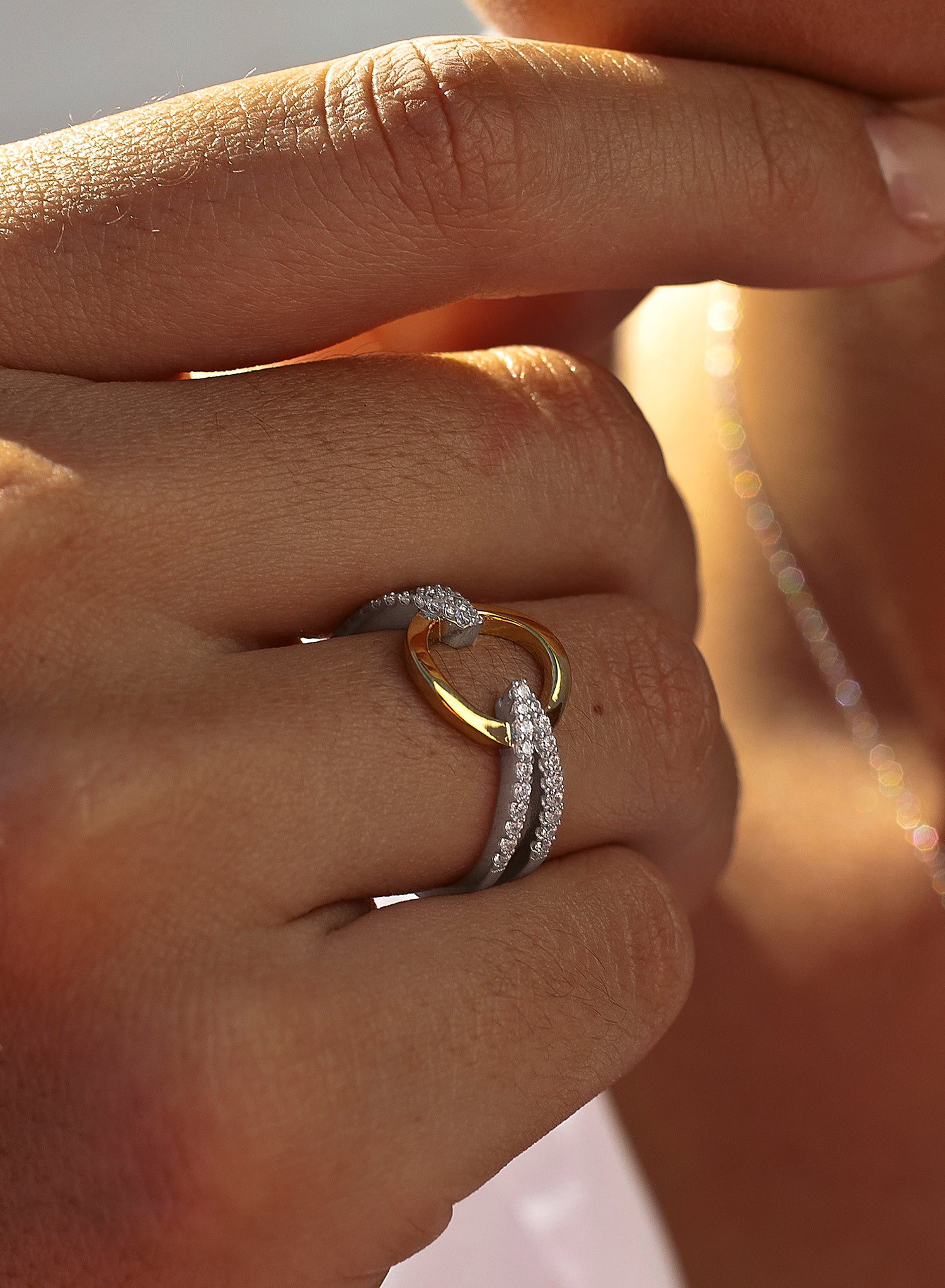
Both are essential. If you're looking for something special, here's a carefully curated selection of engagement rings that symbolize this important step.

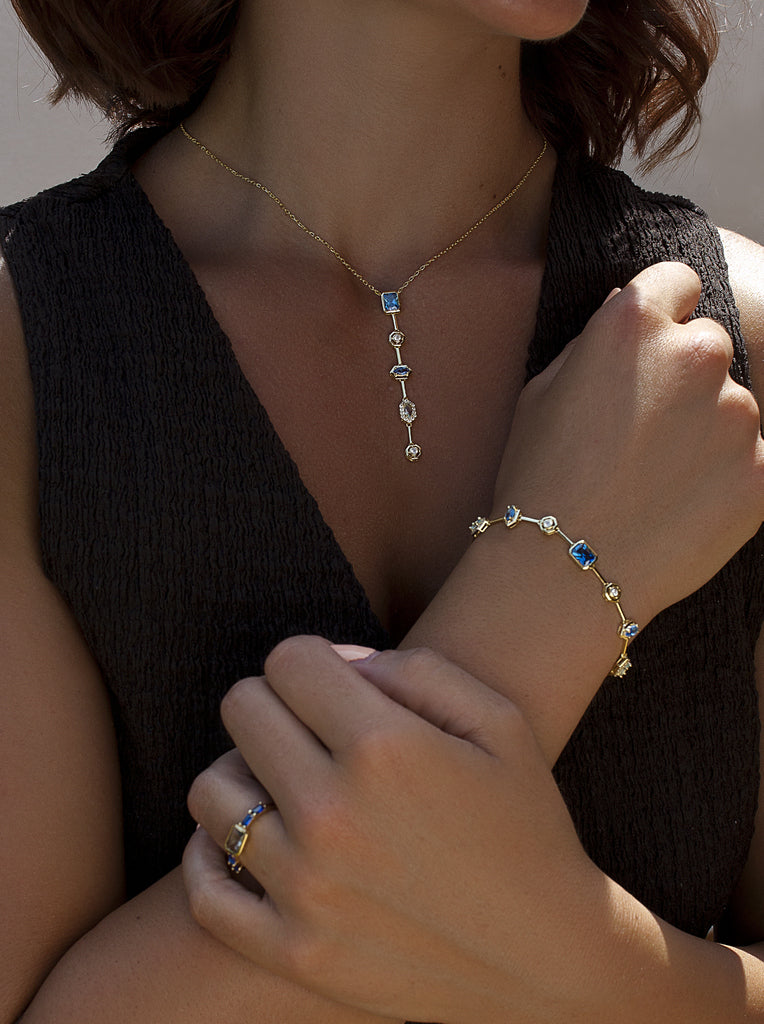
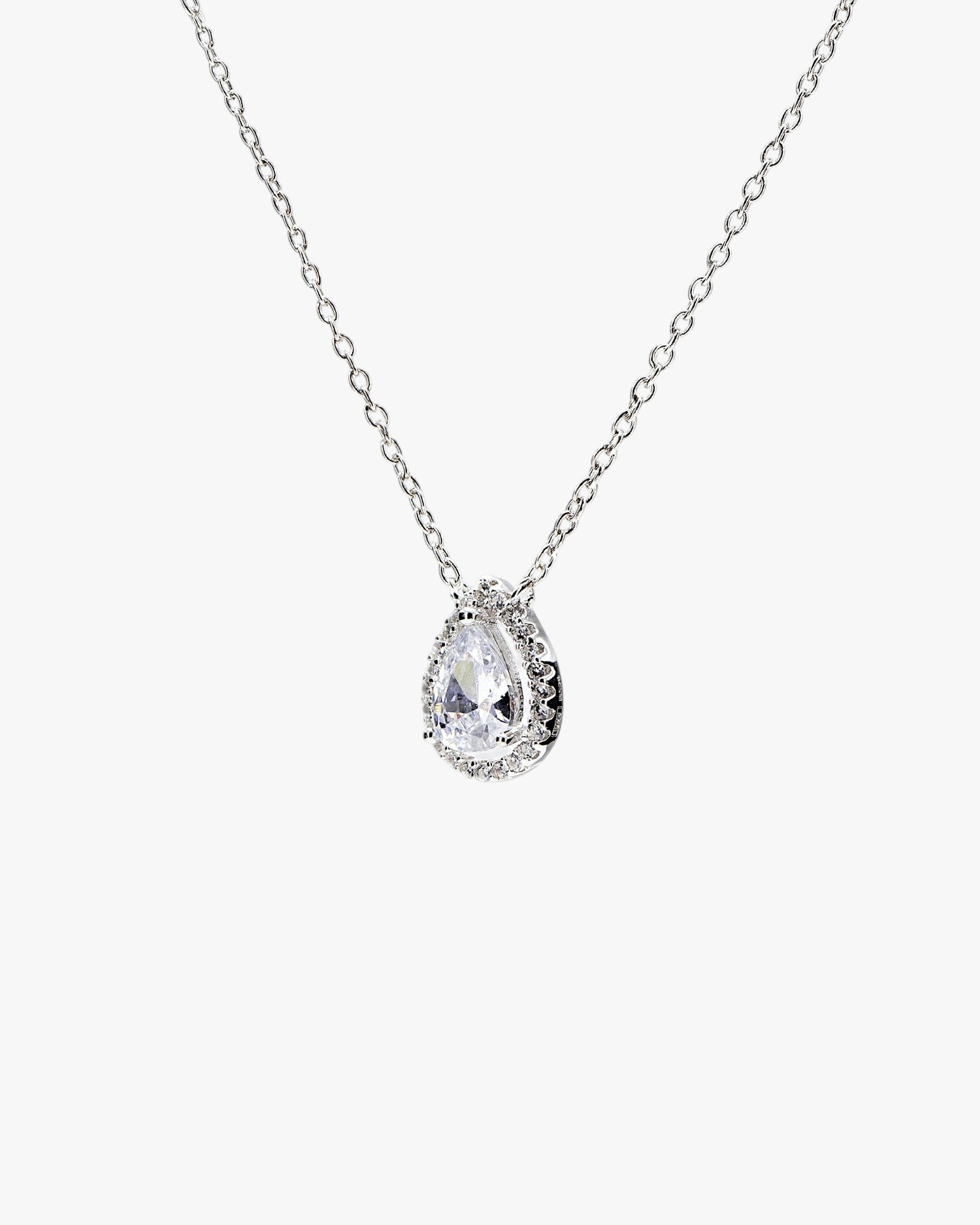
Earrings, pendants, tiaras and bracelets
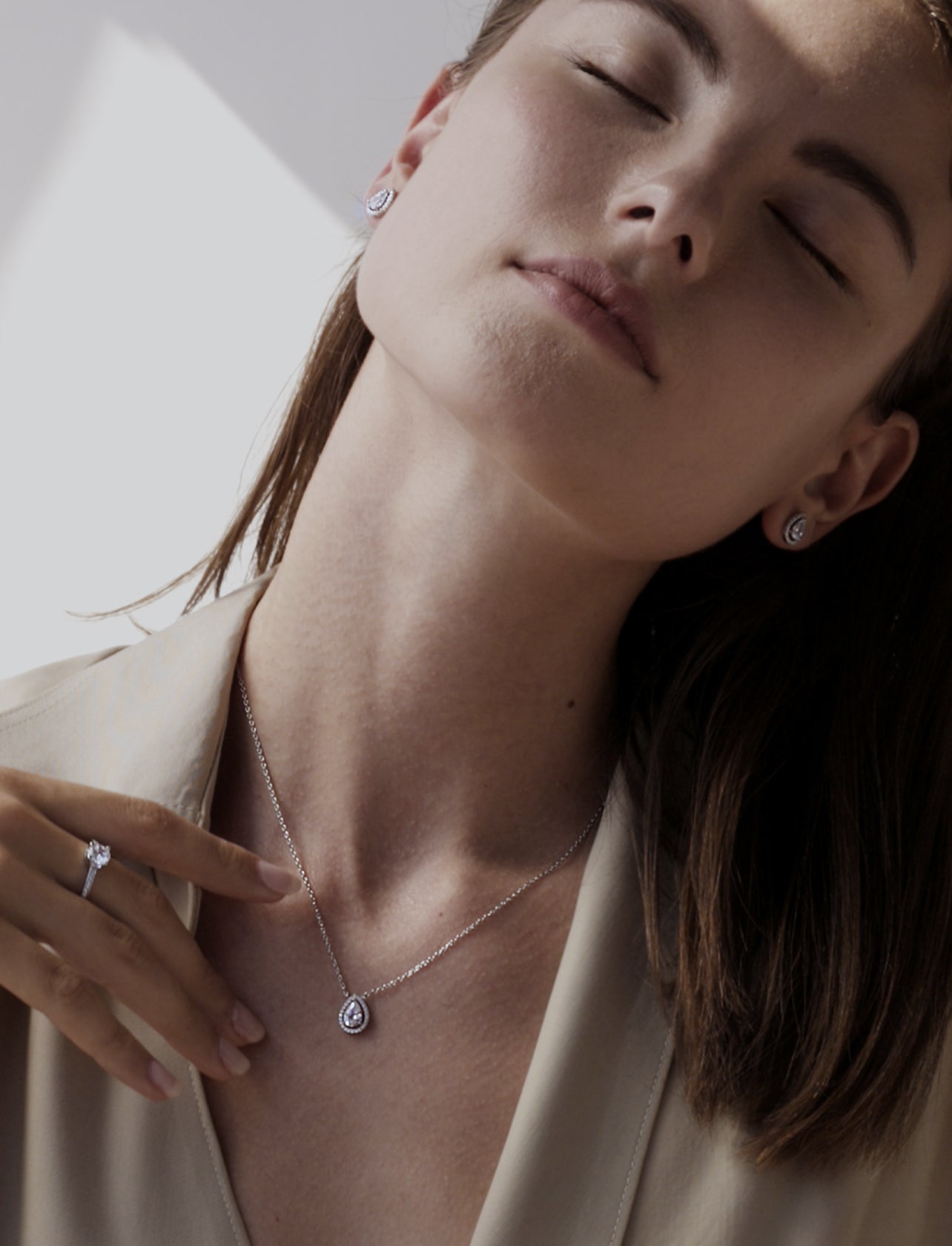
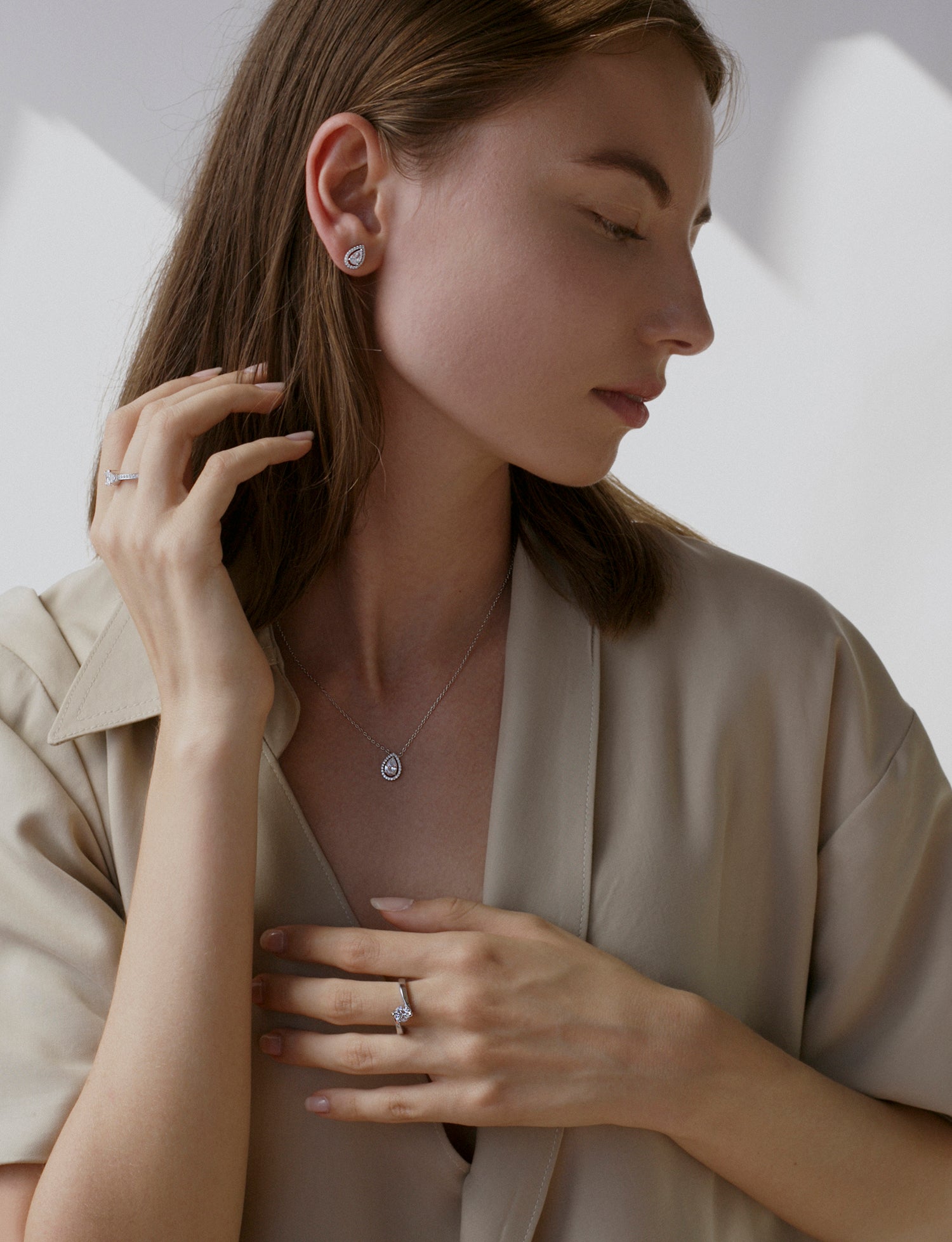
In addition to the ring, many brides complement their look with other pieces:
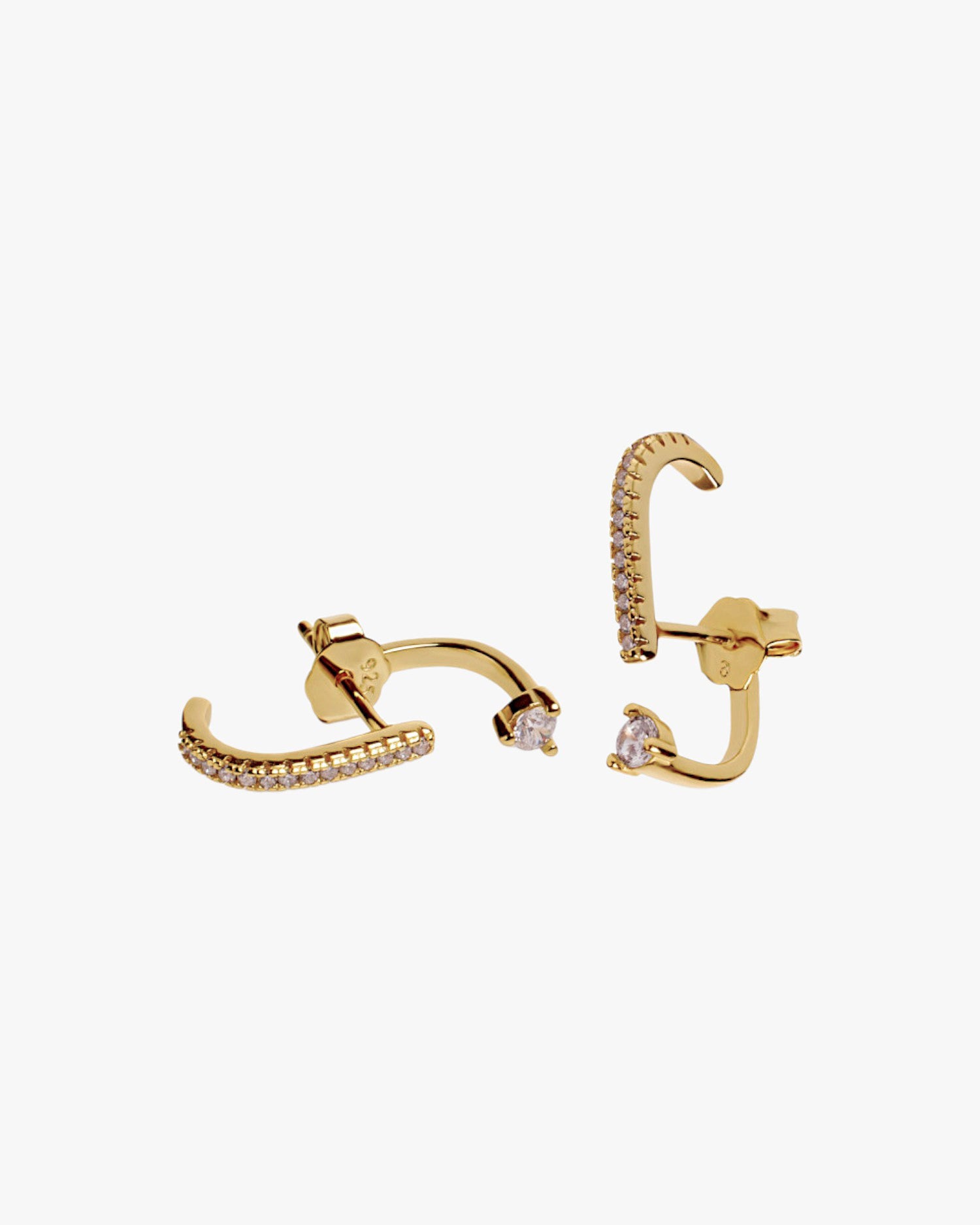
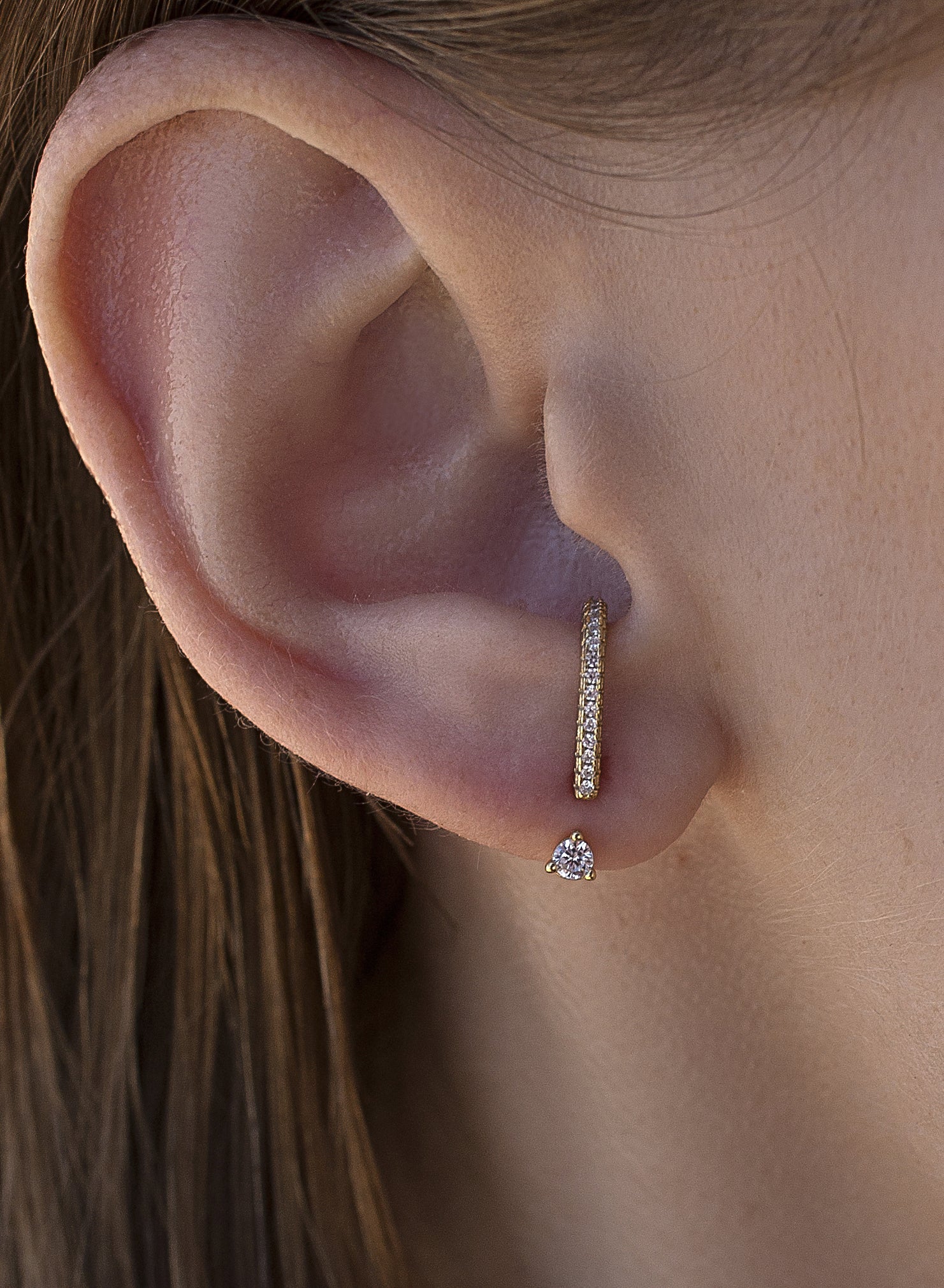
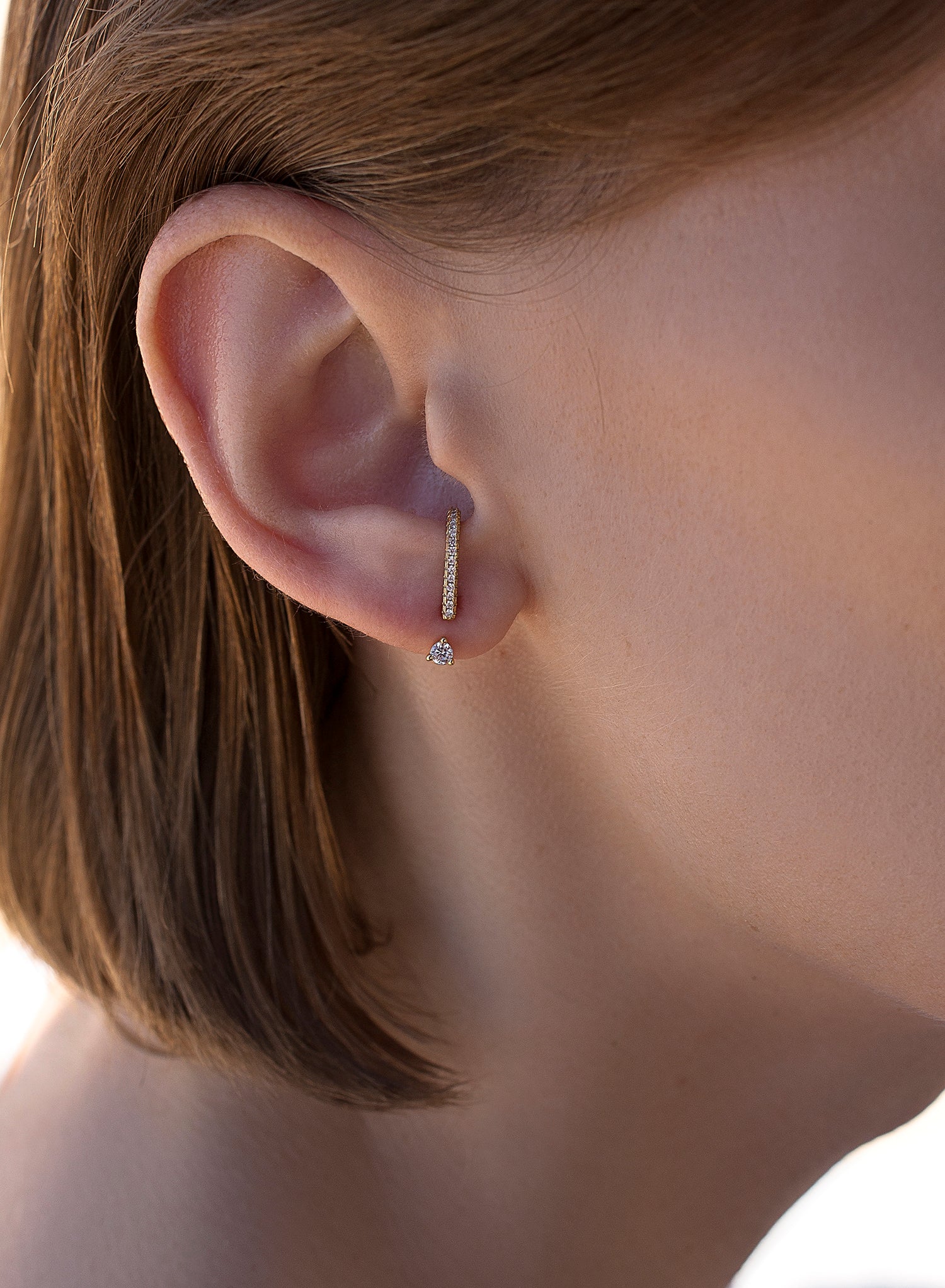
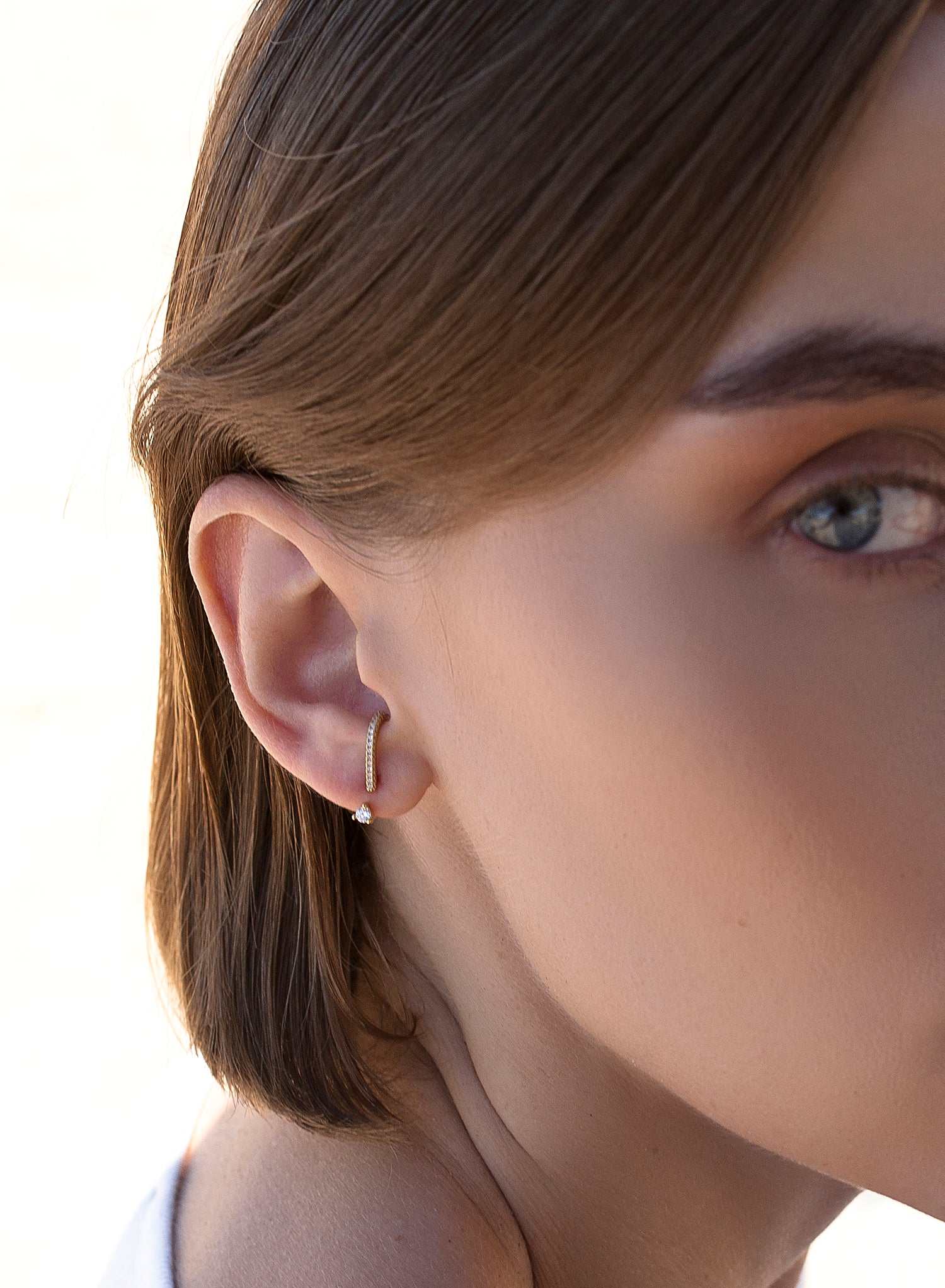
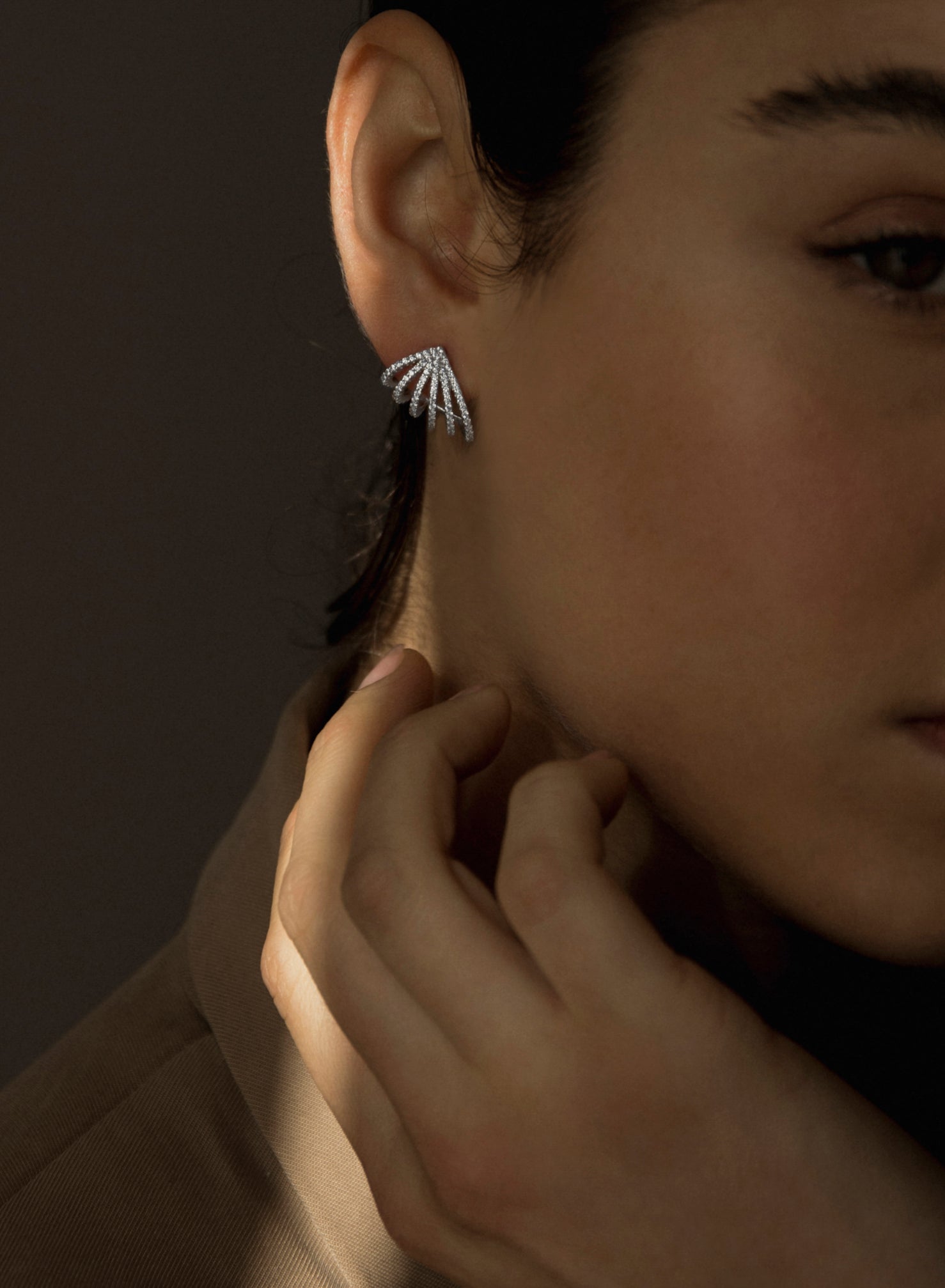
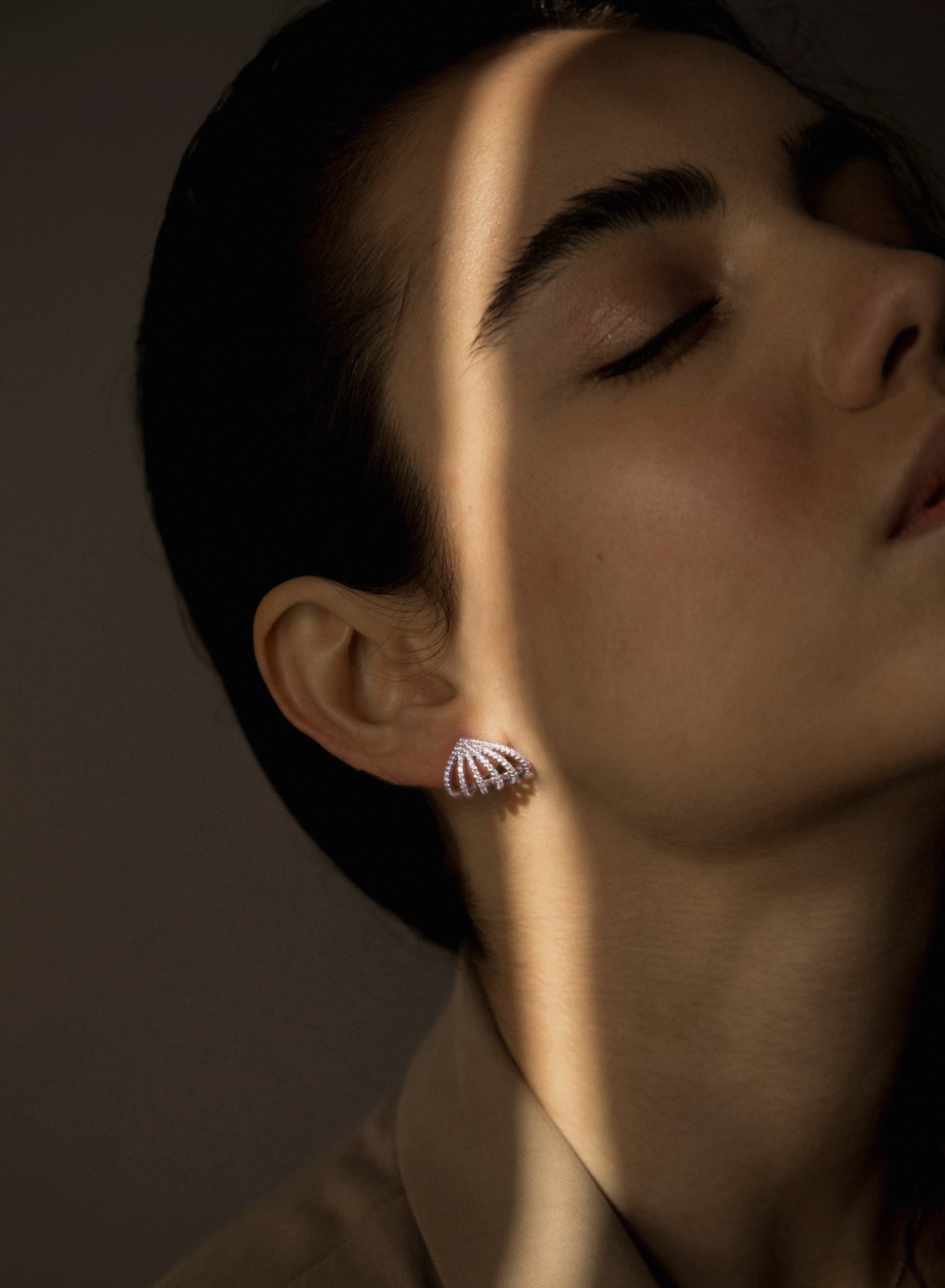
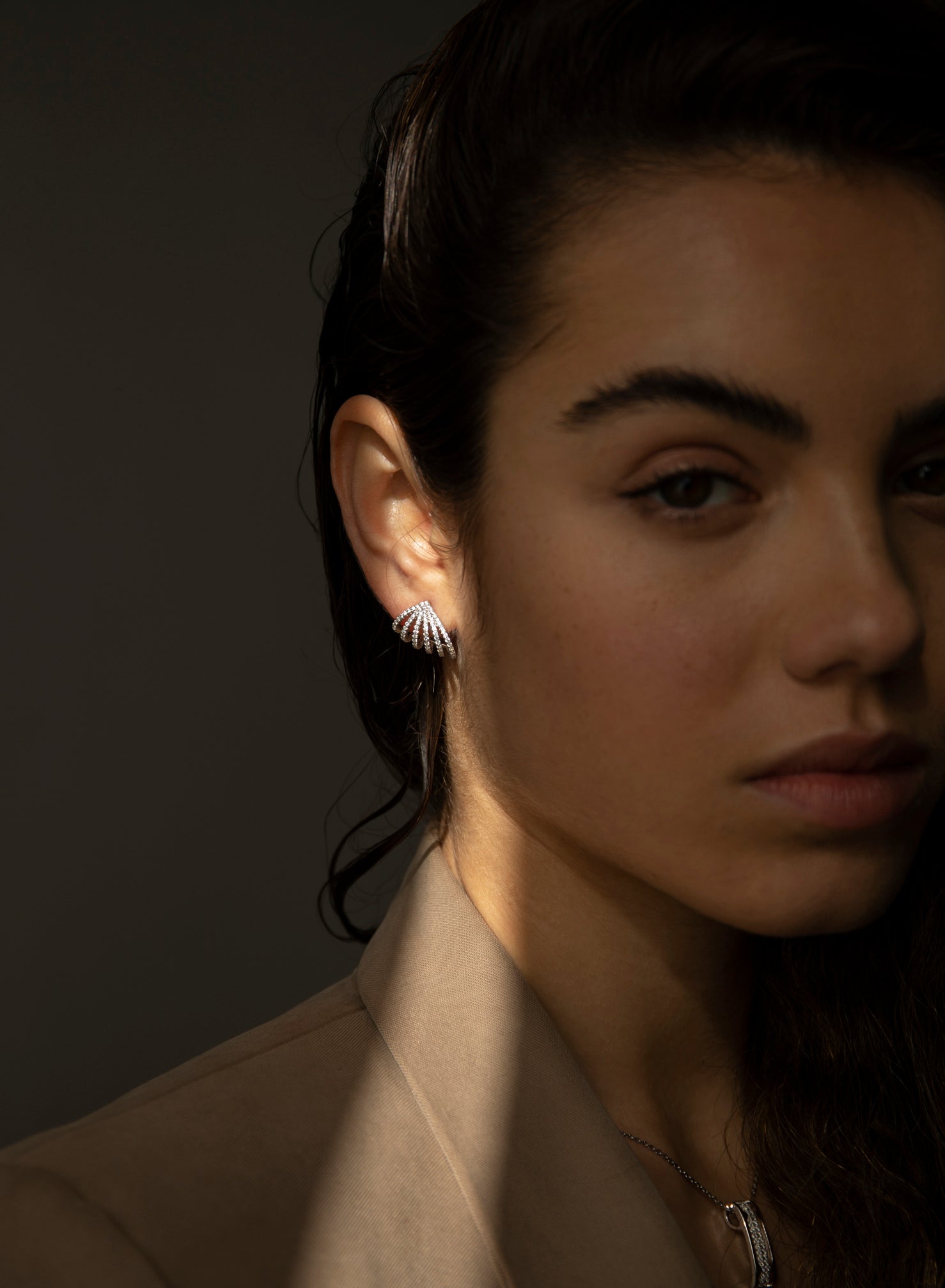
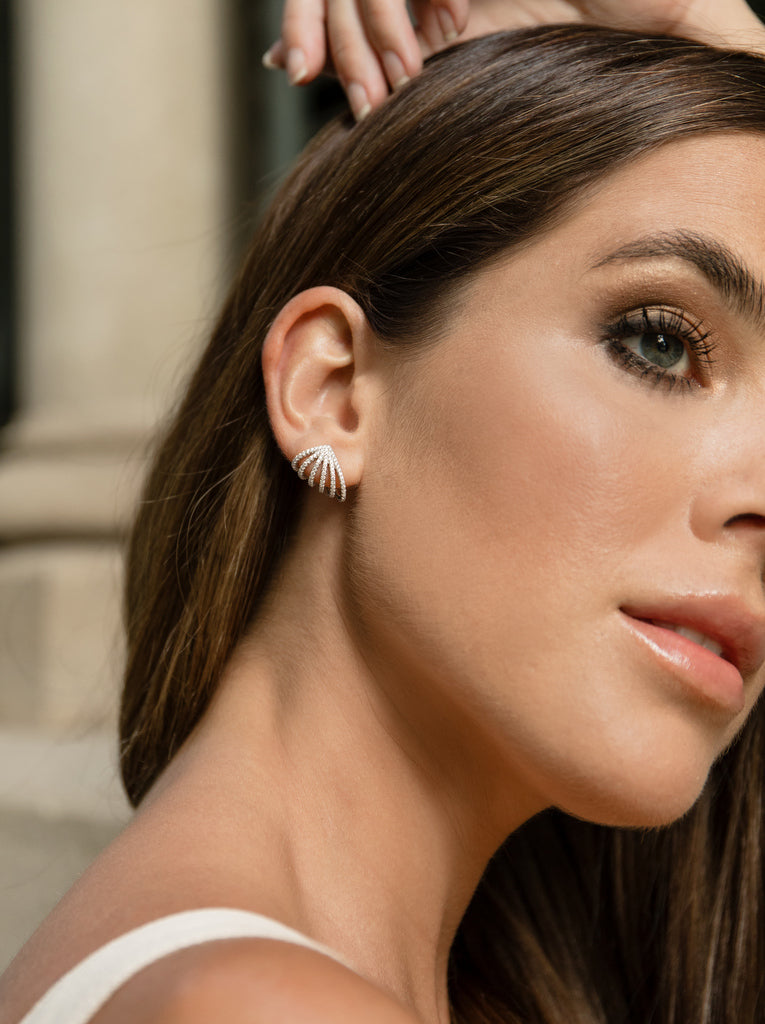
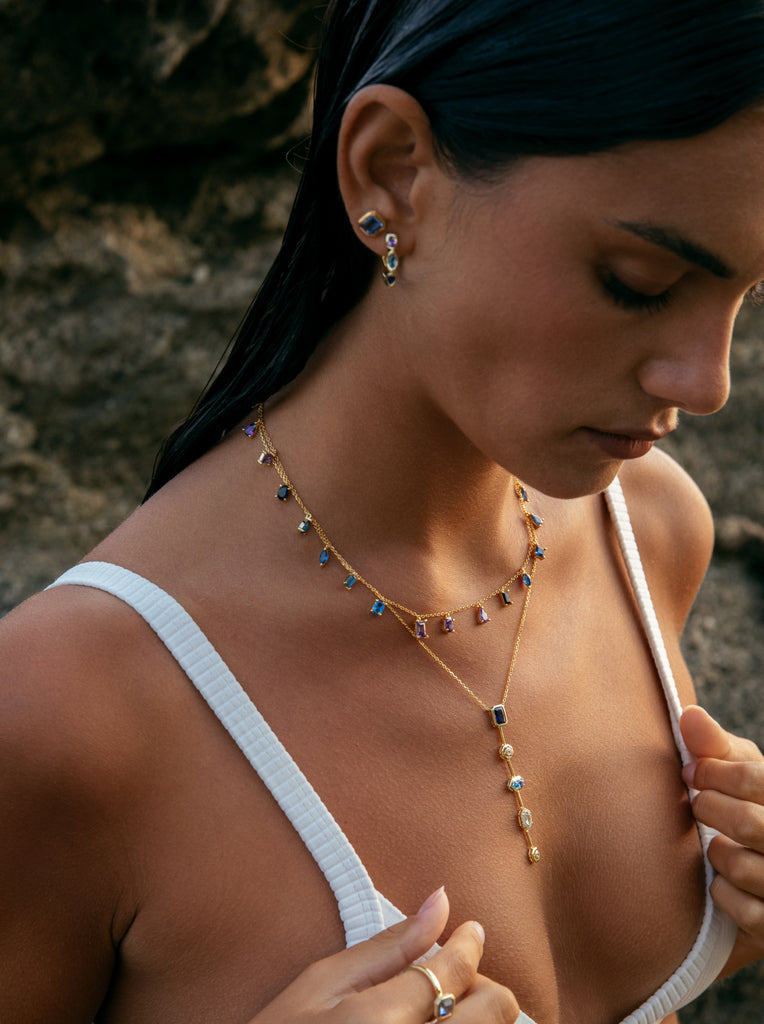
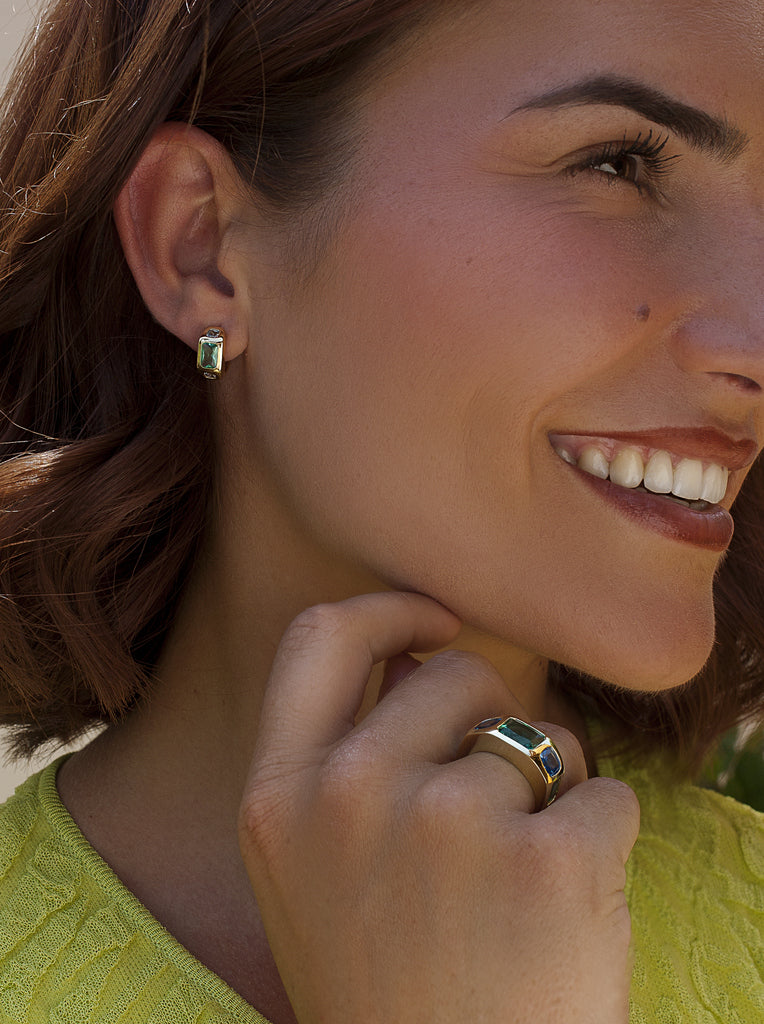
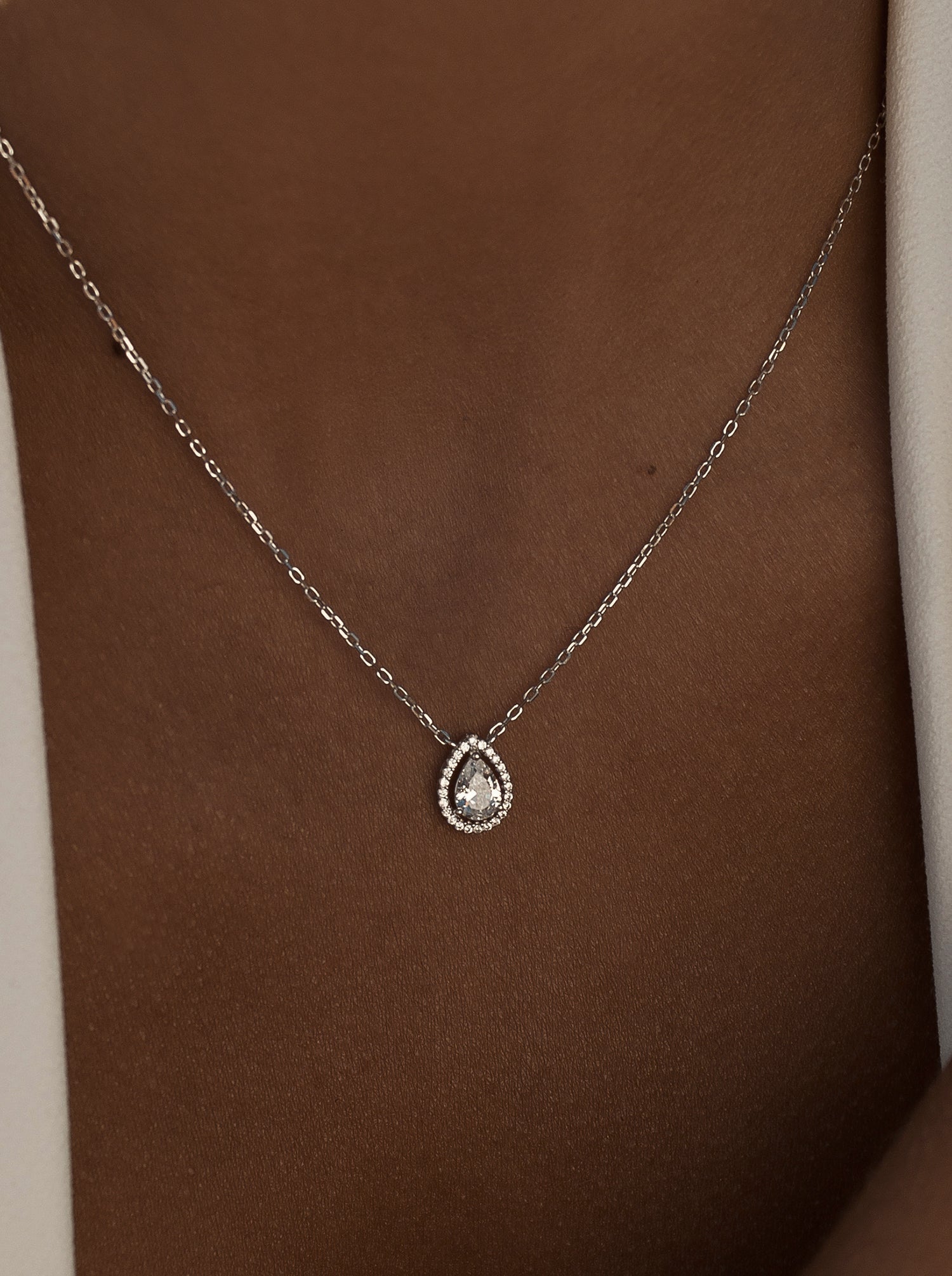
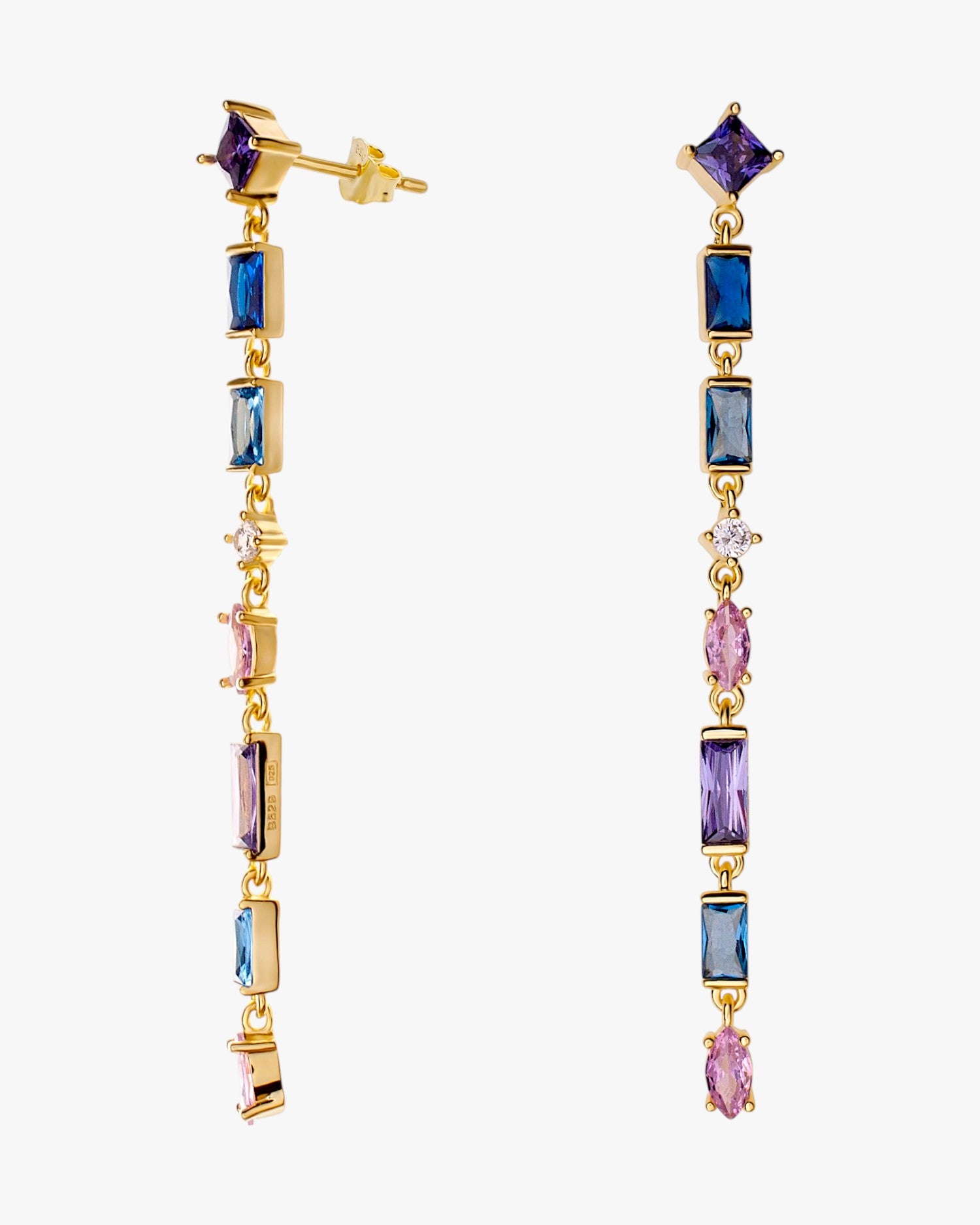
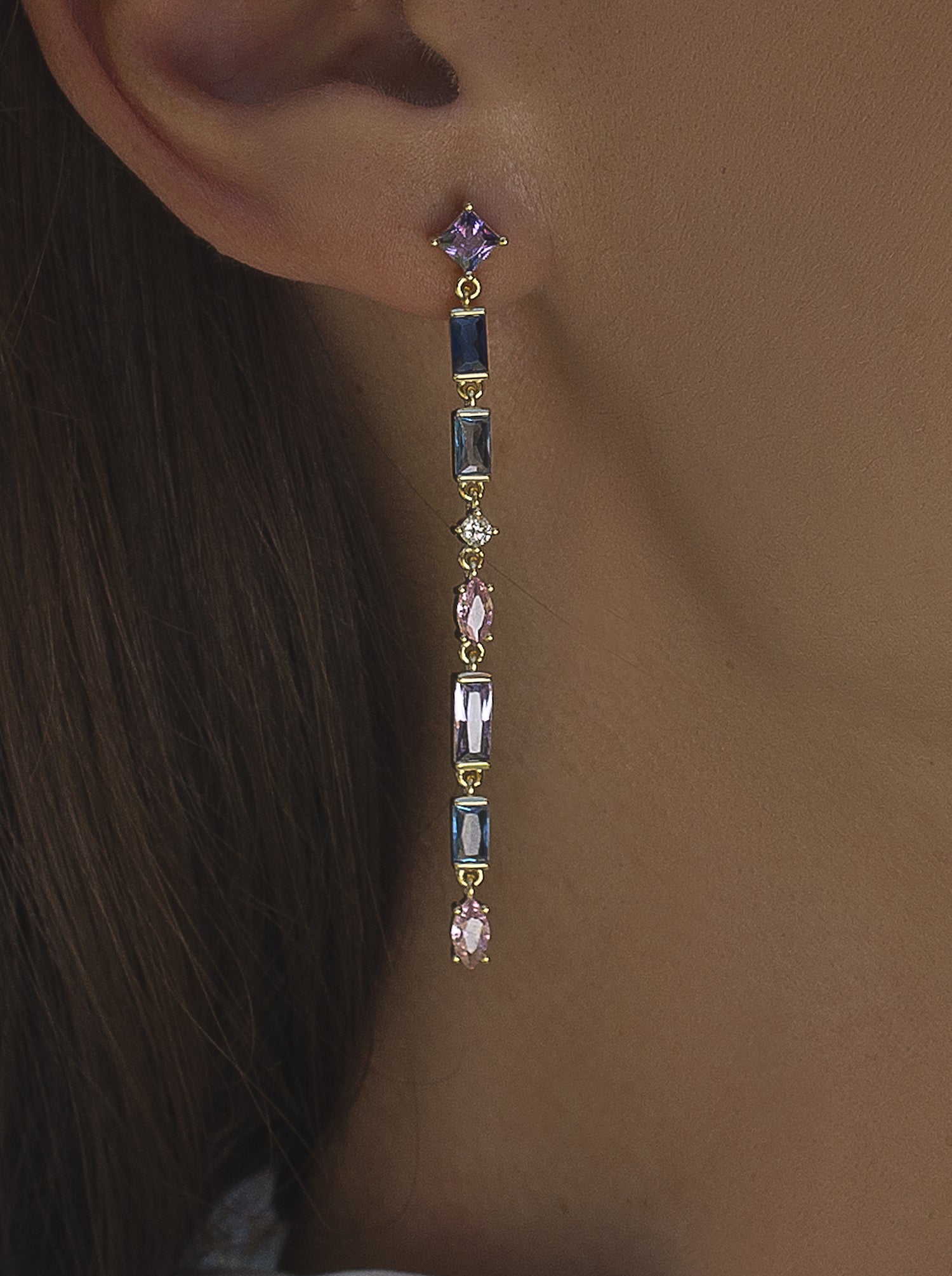
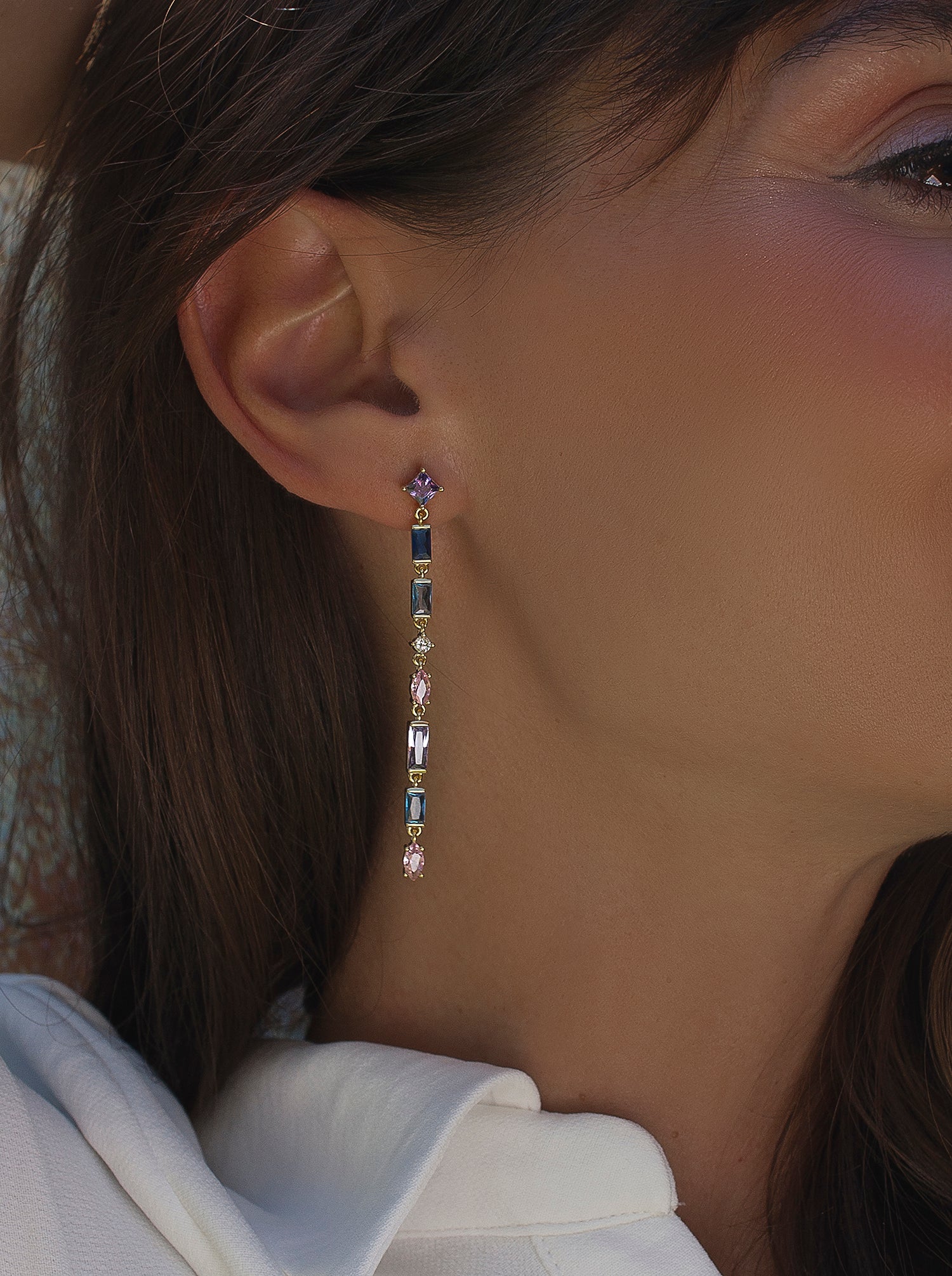
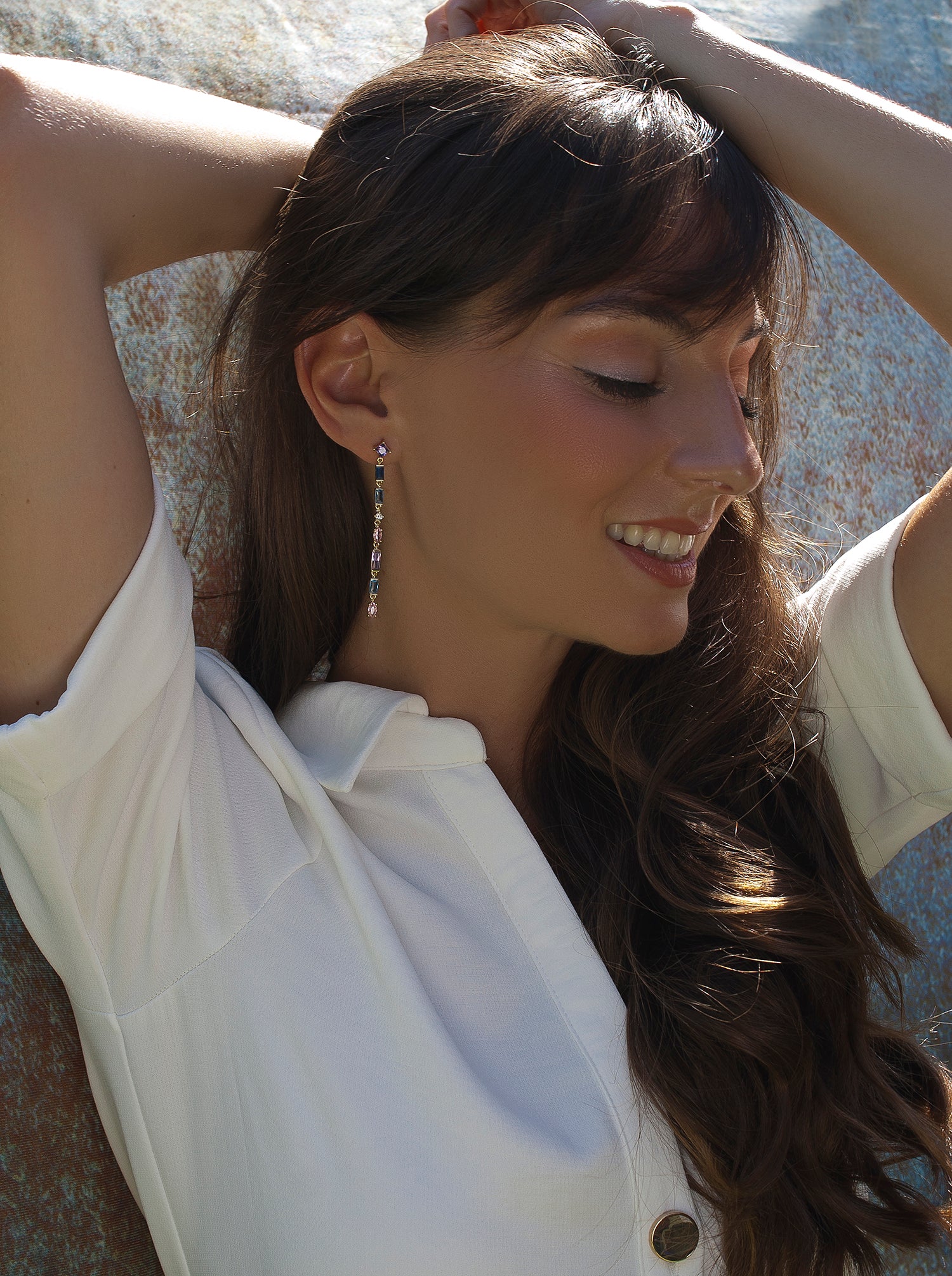
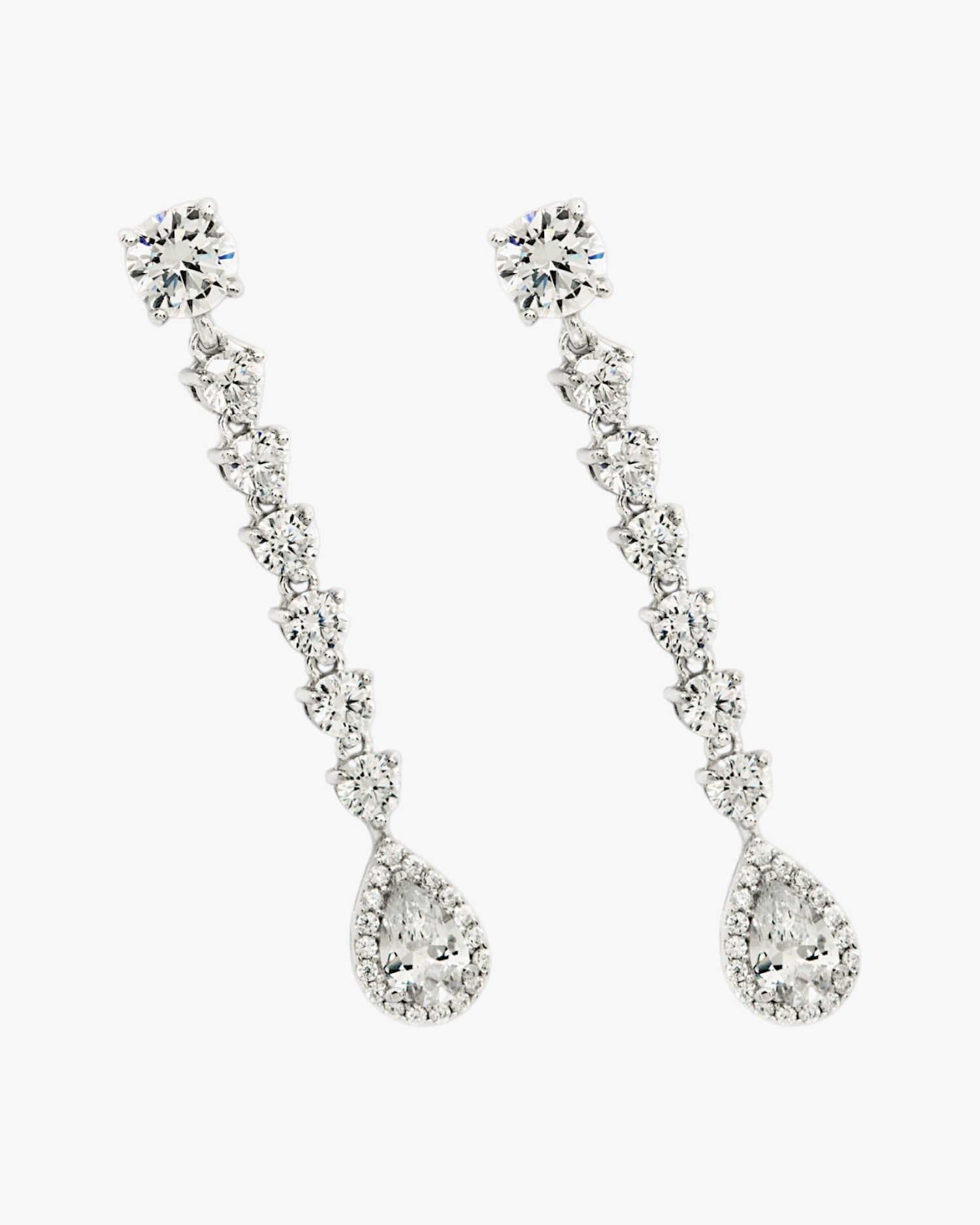
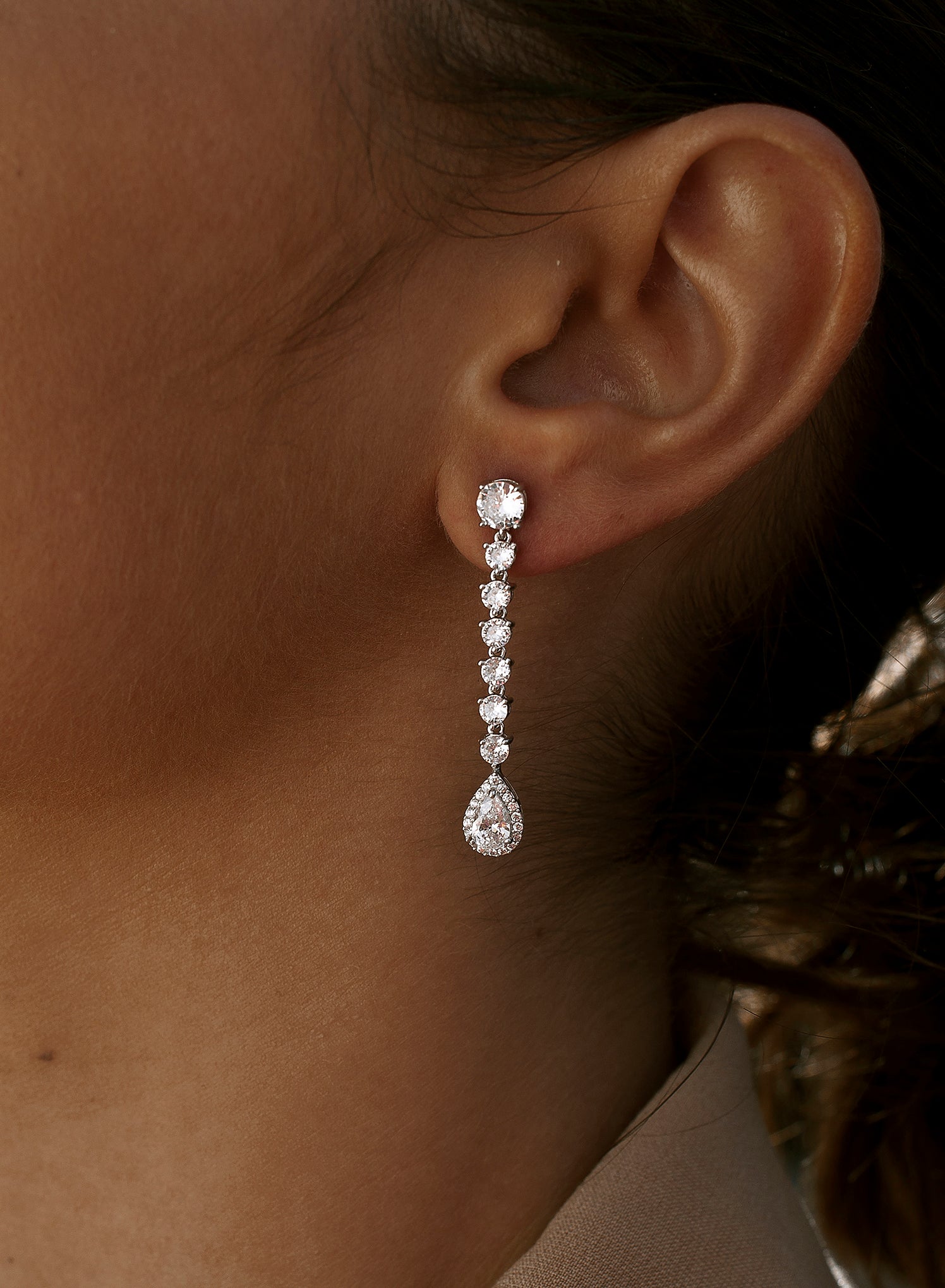
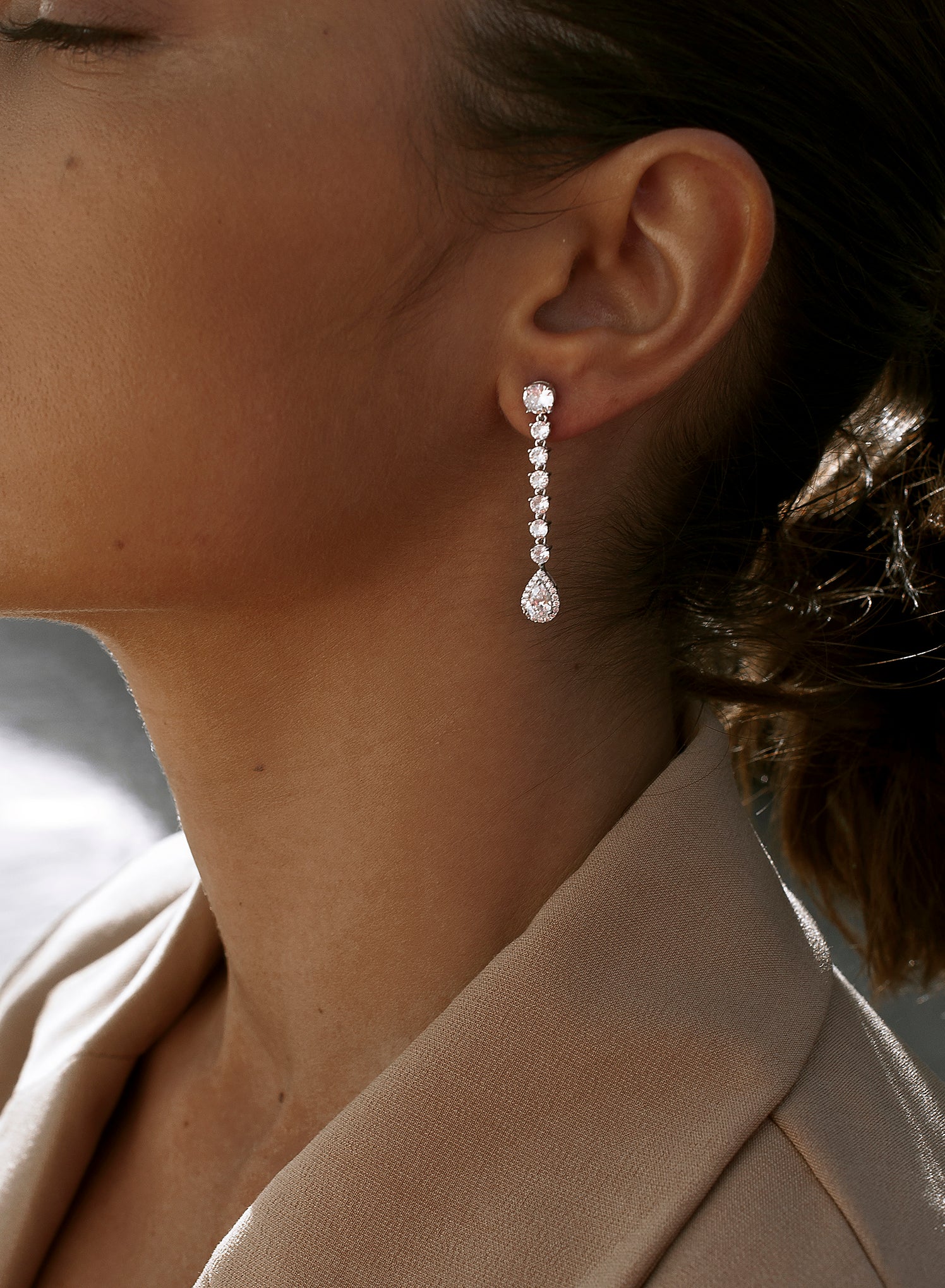
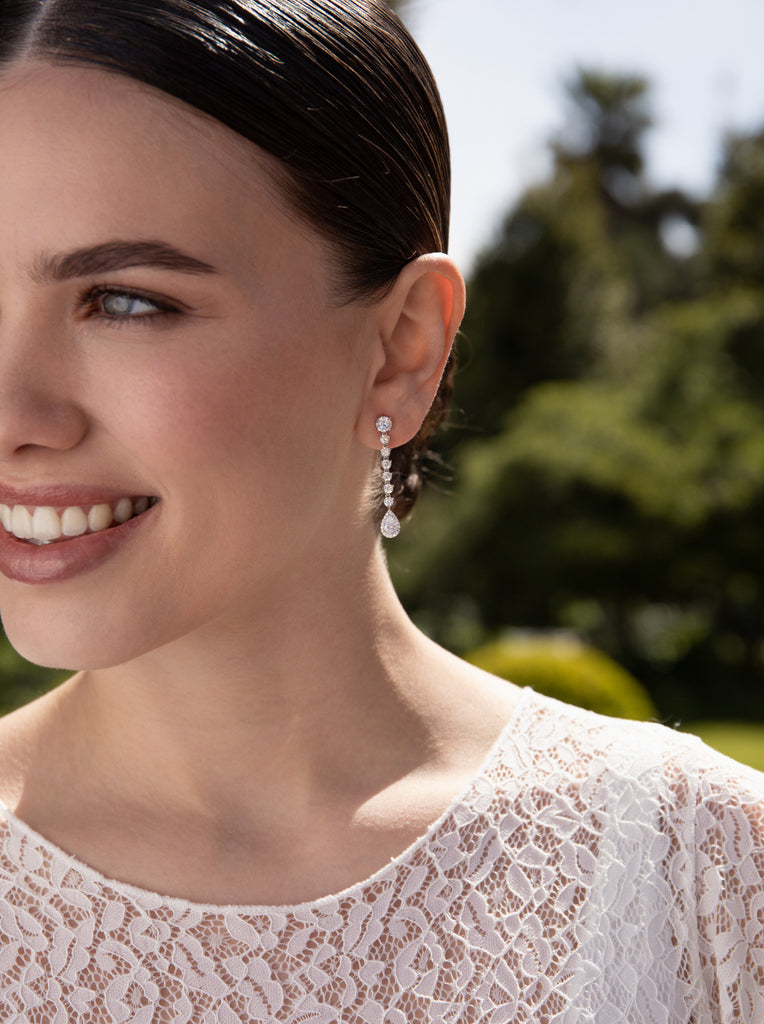
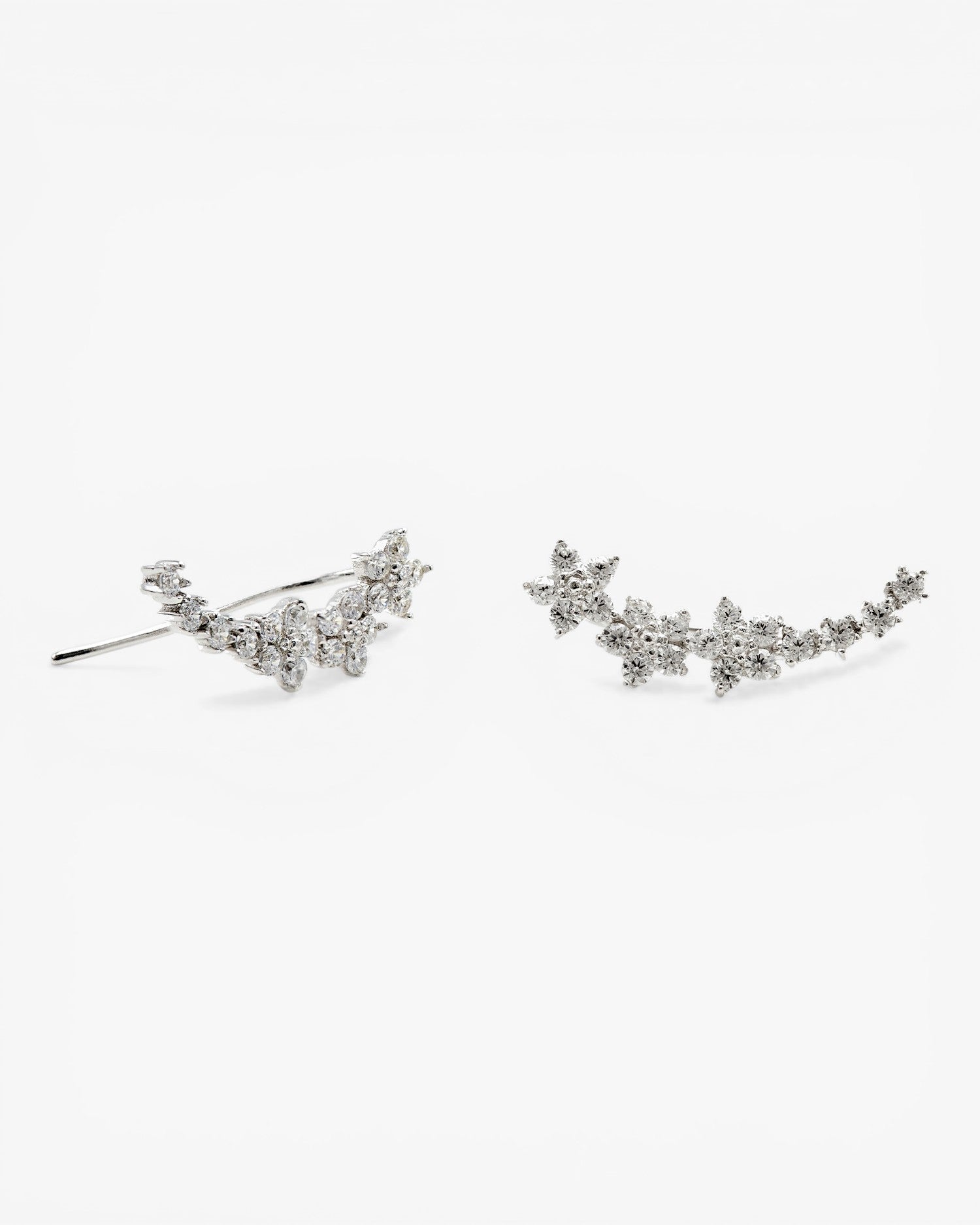
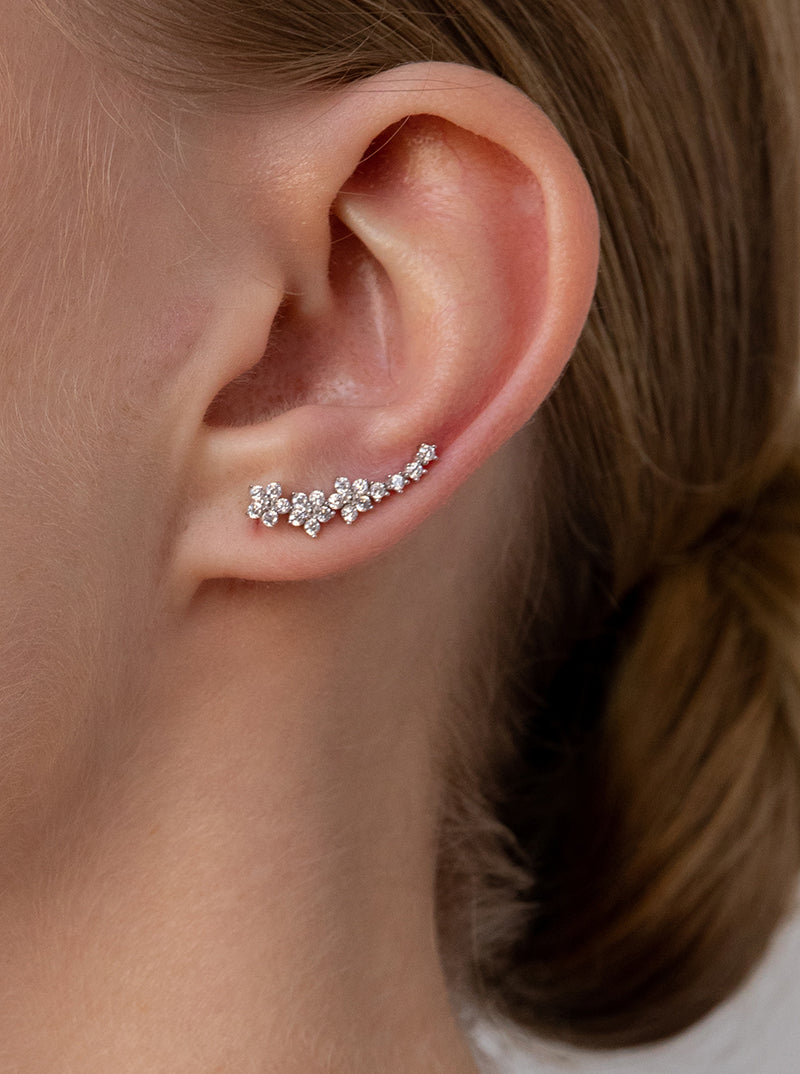
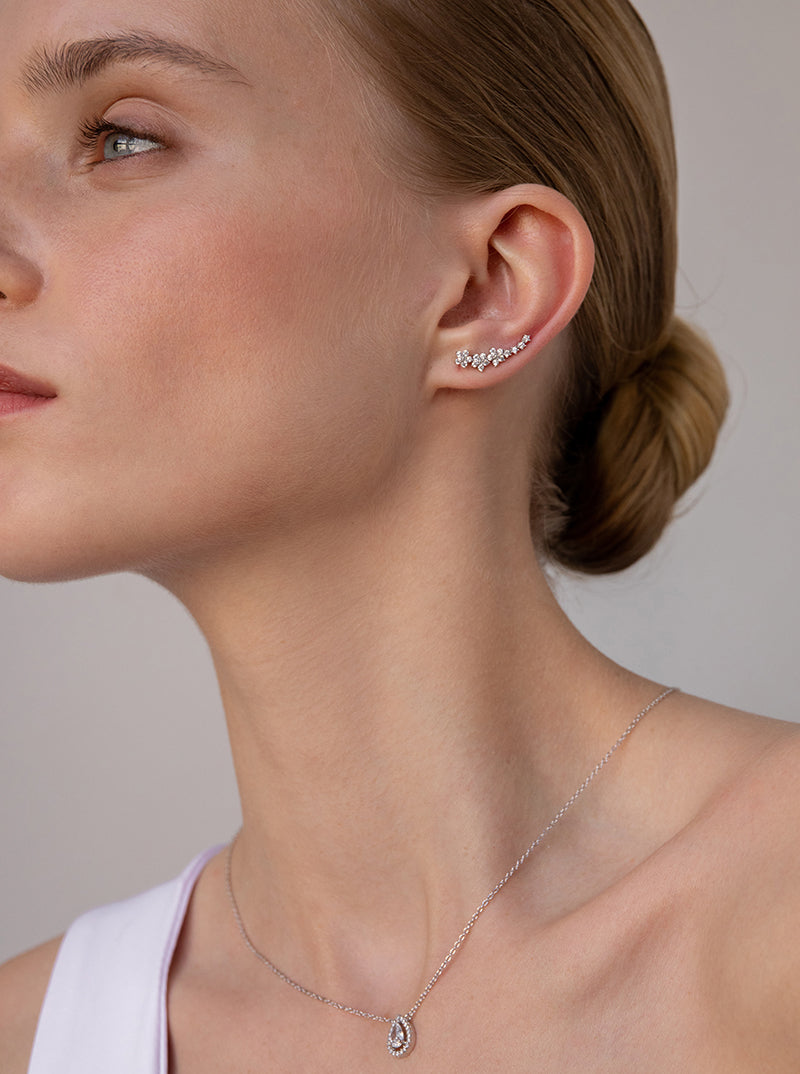
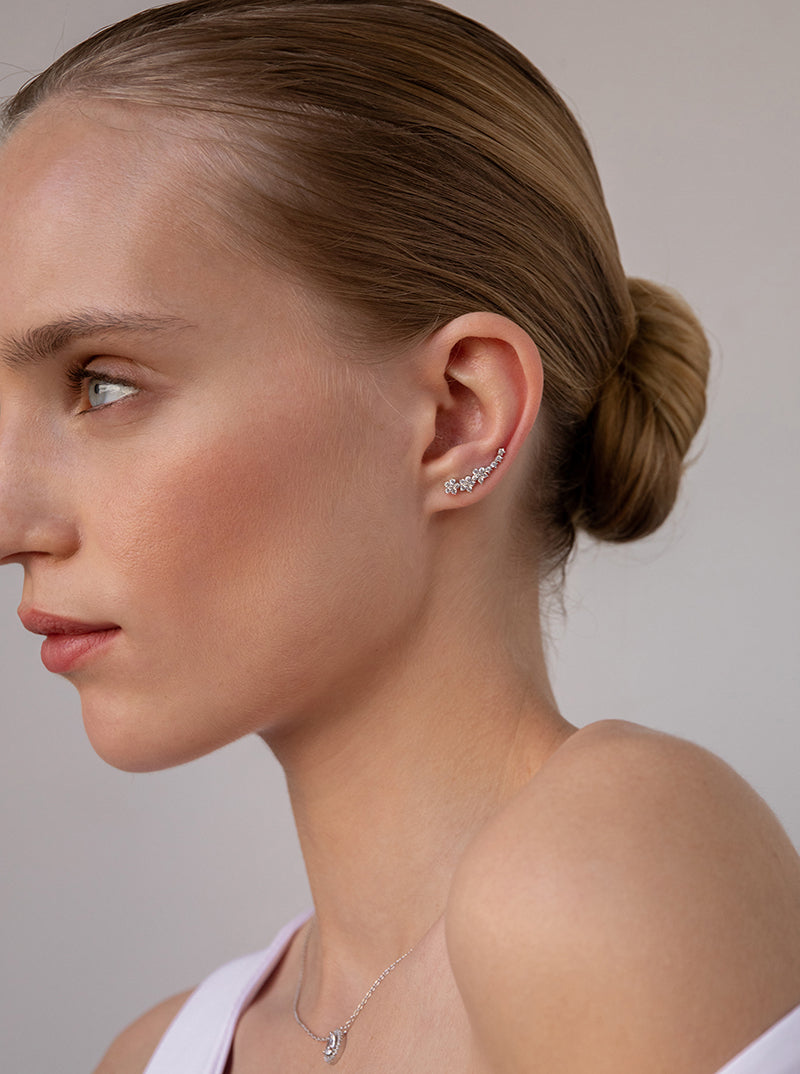
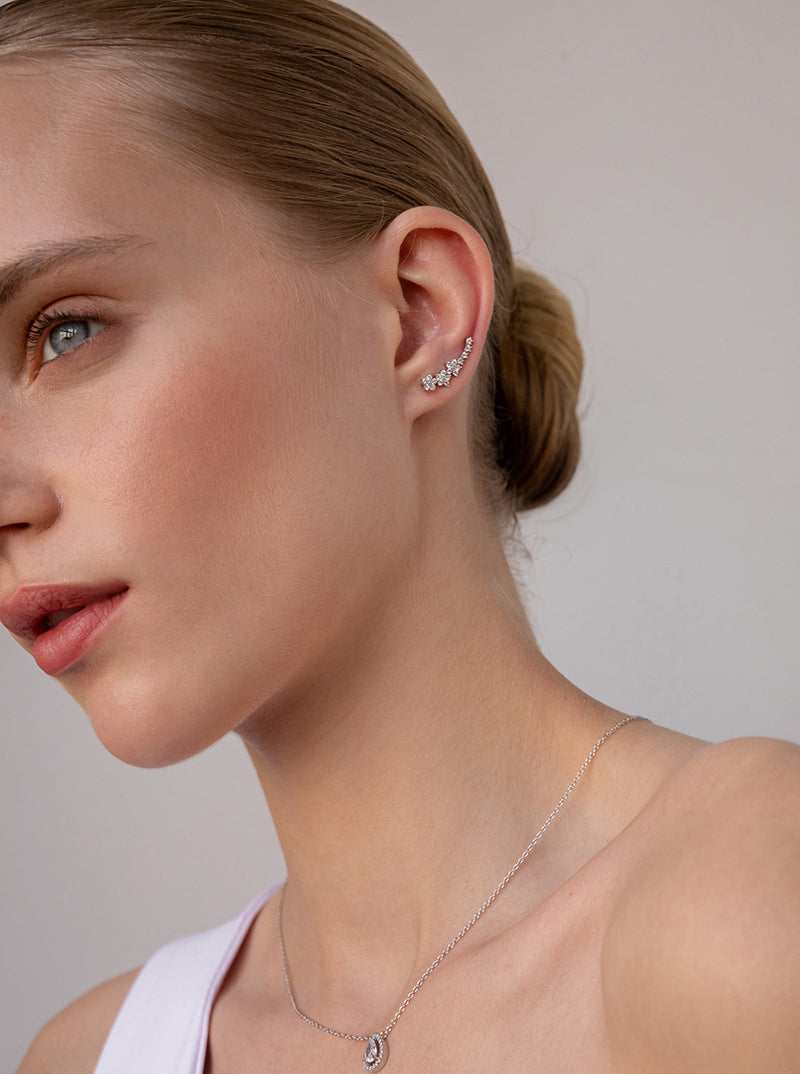
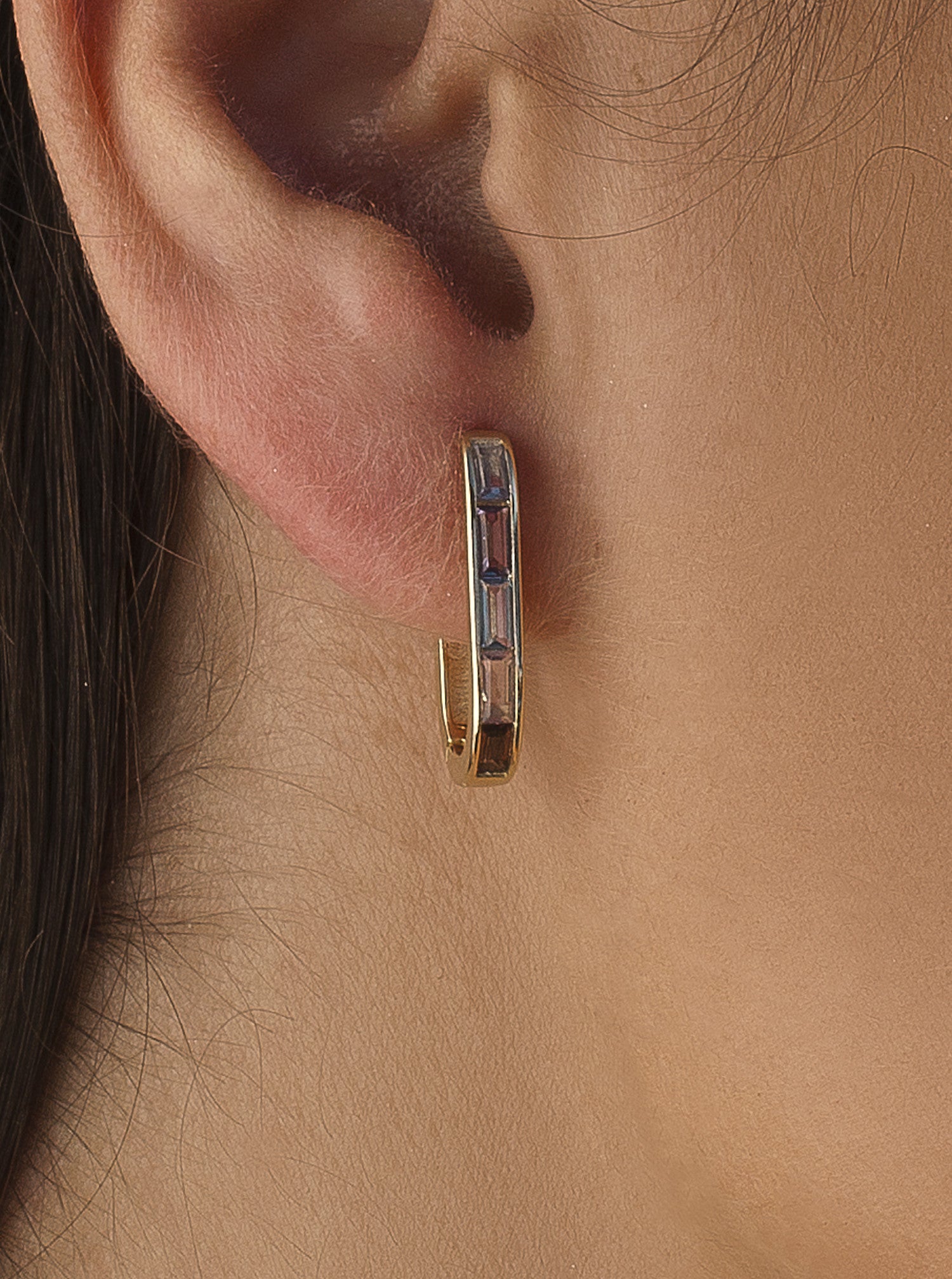
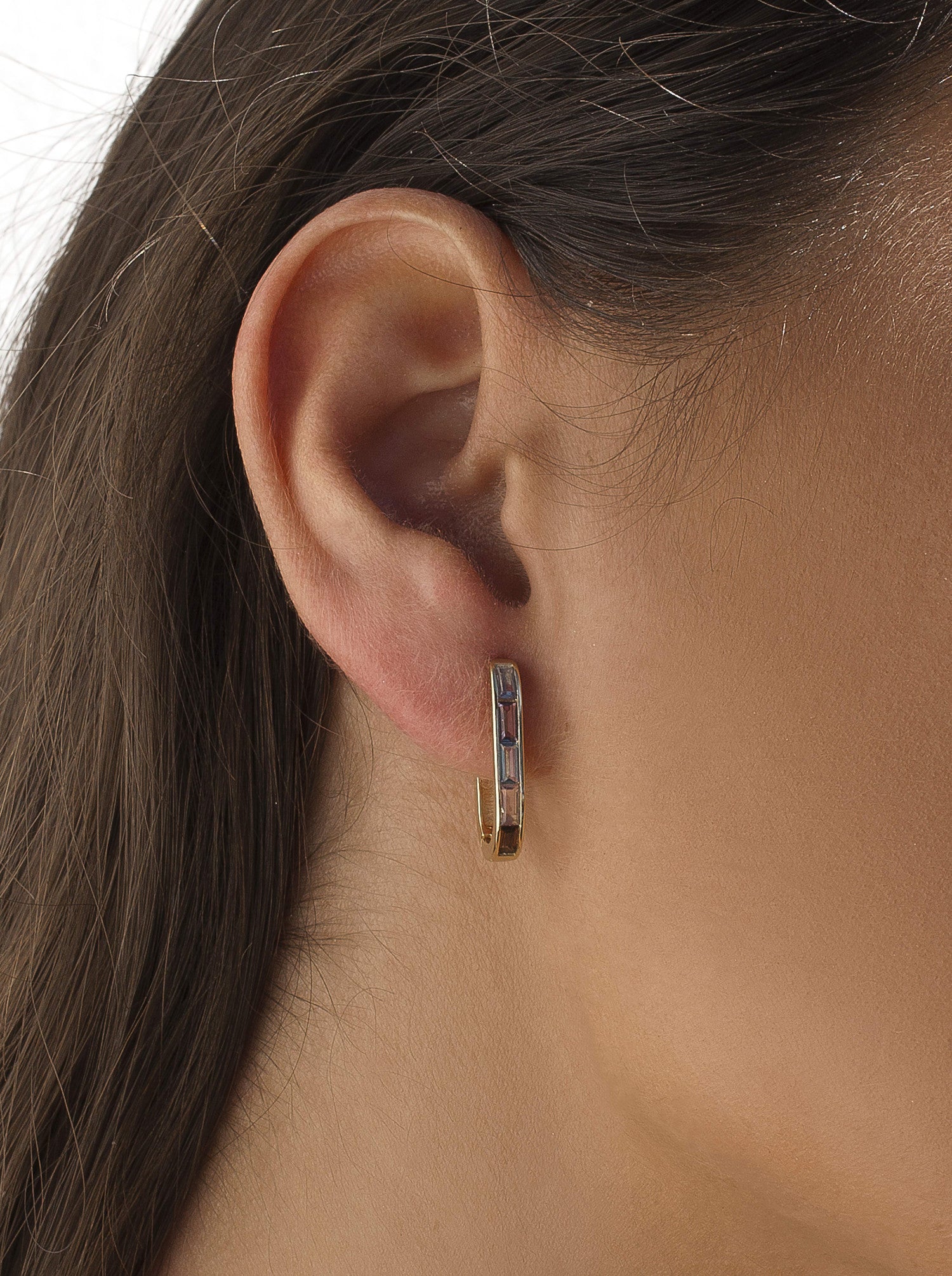
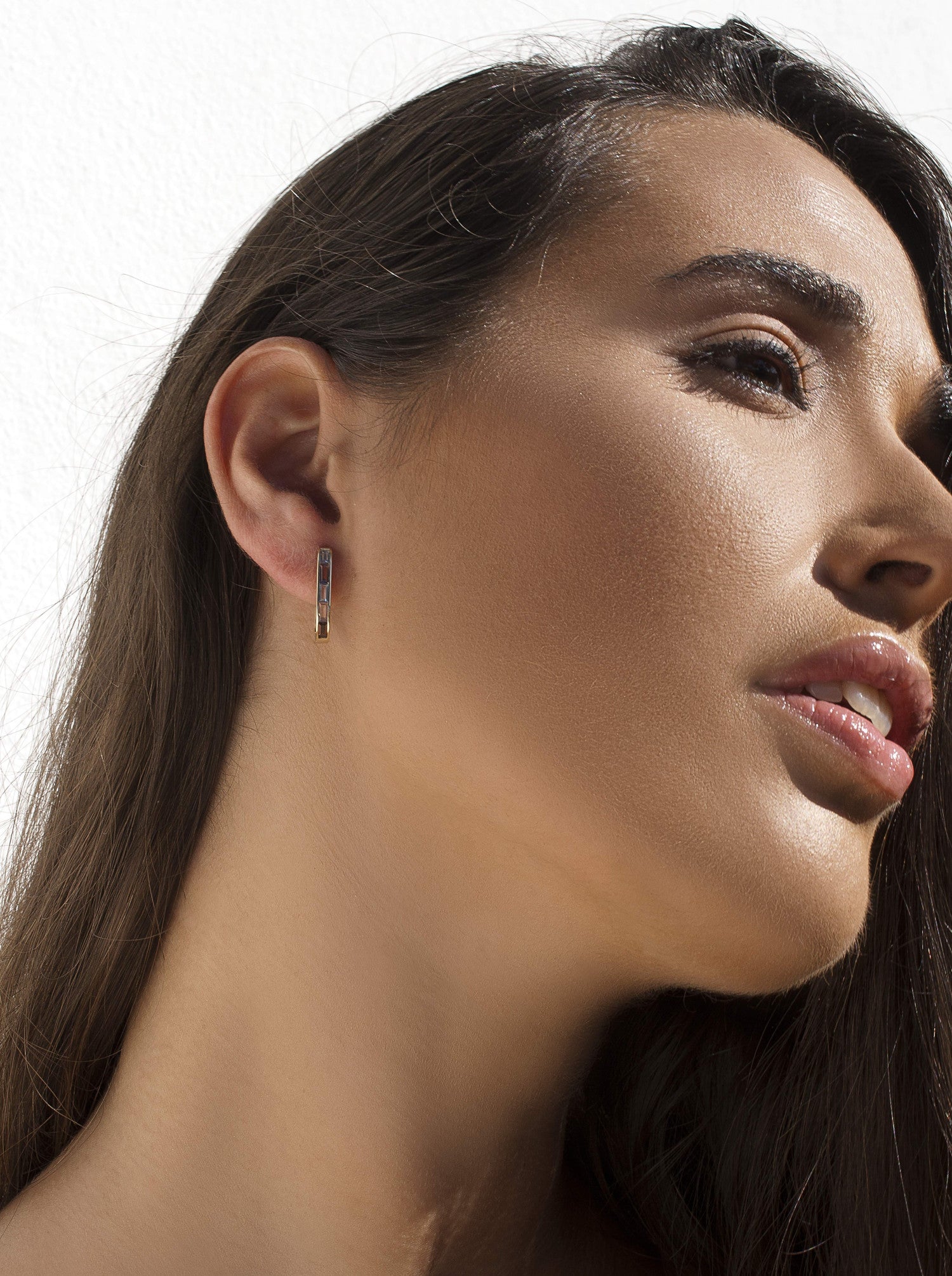
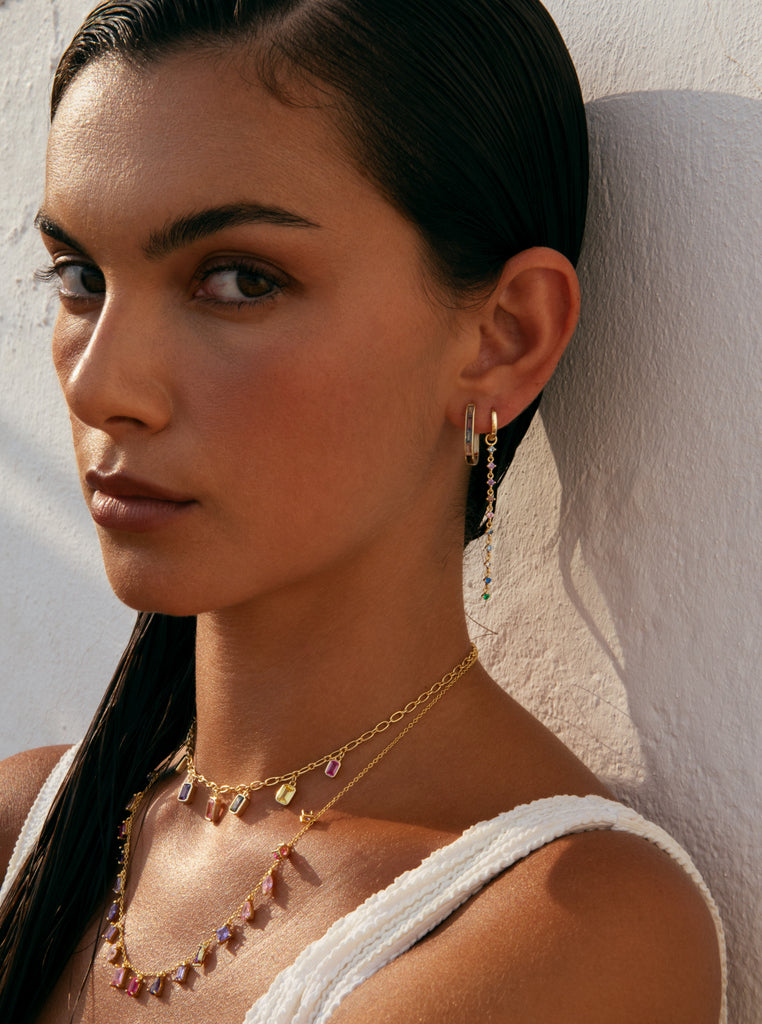
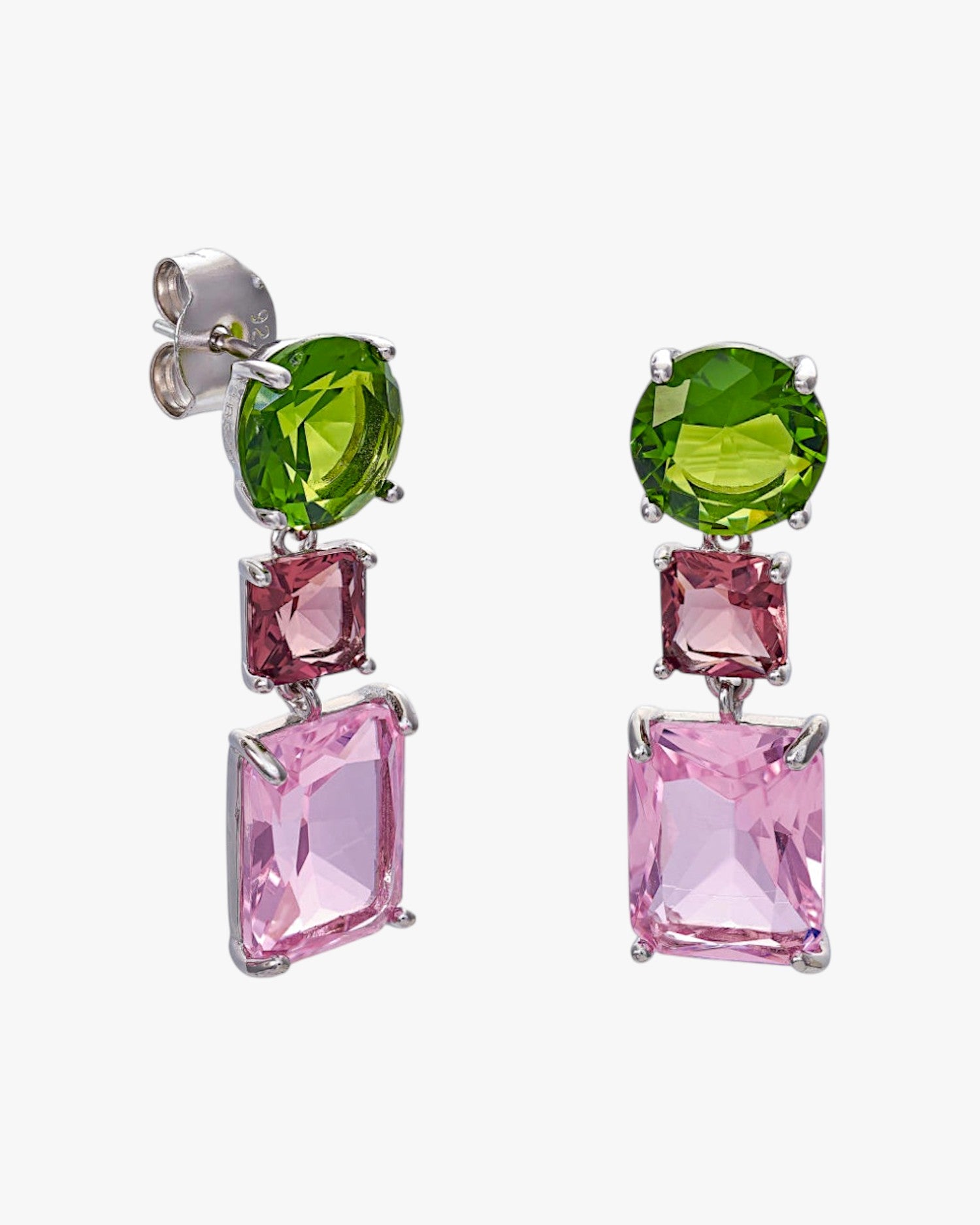
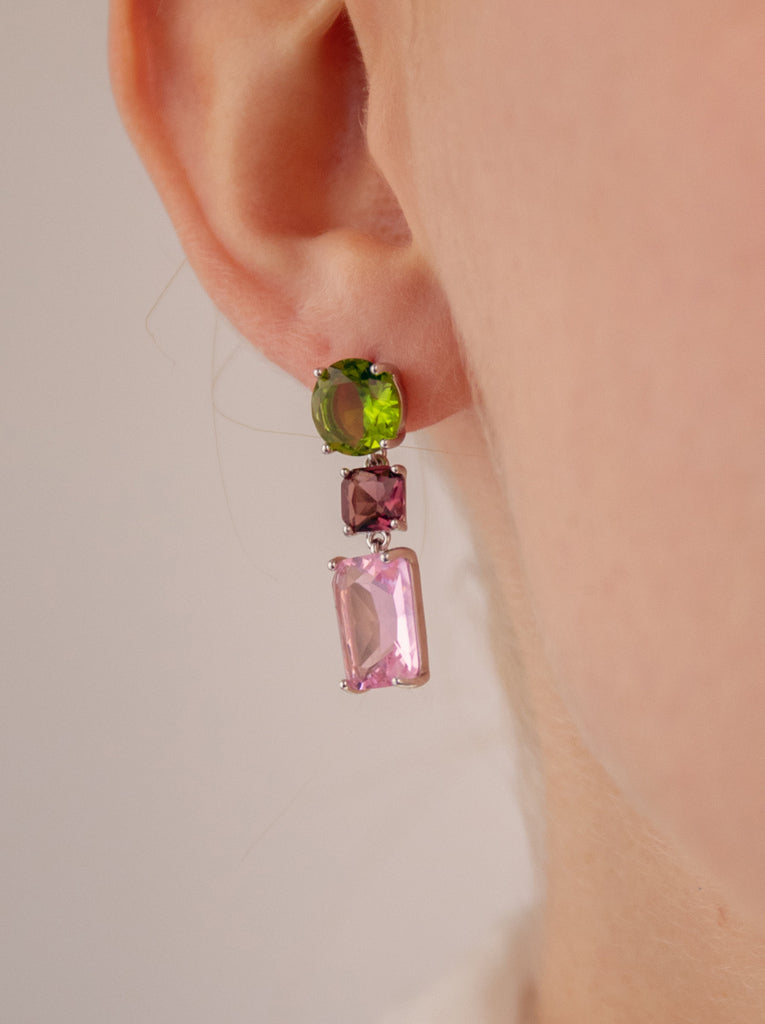
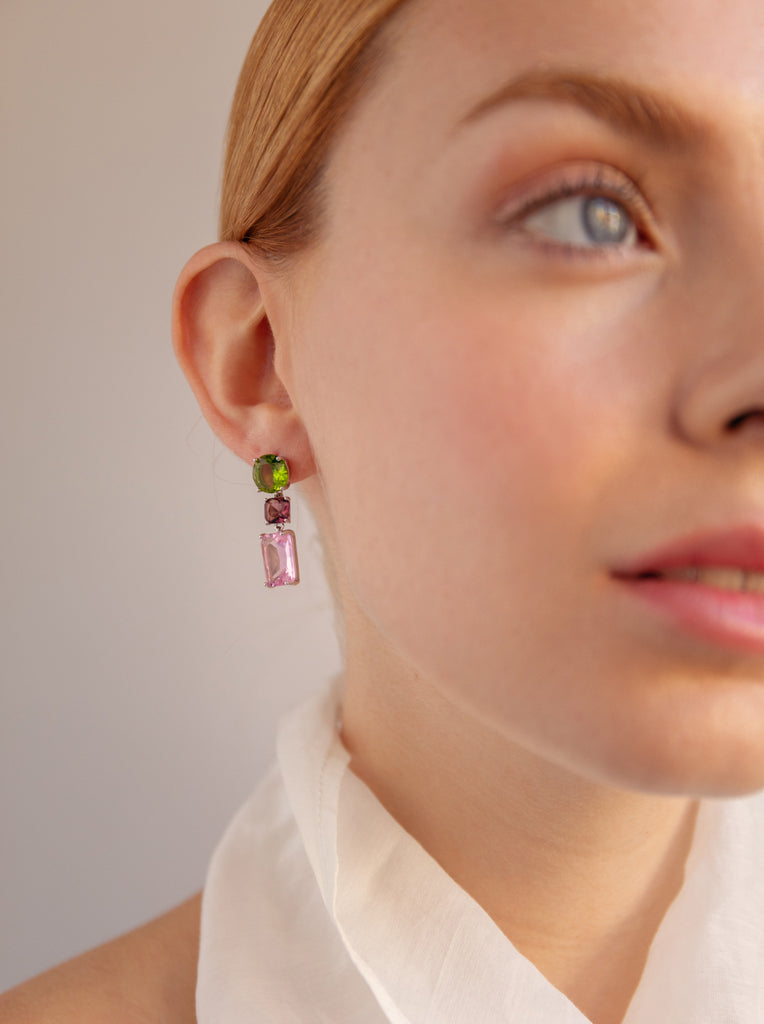
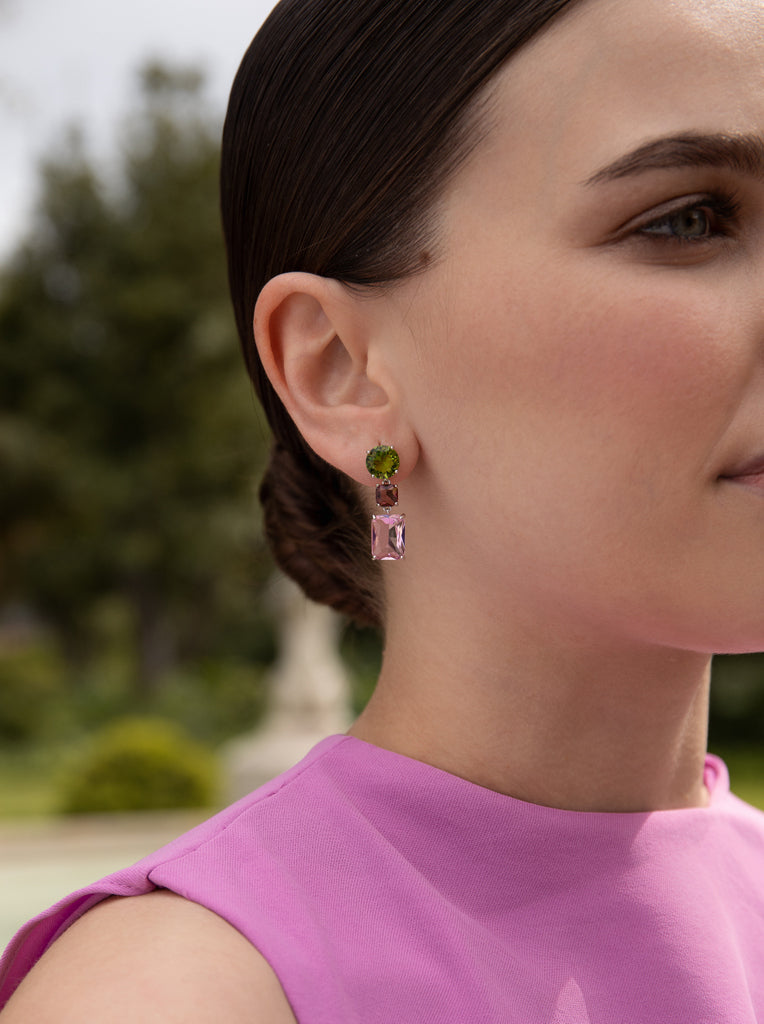
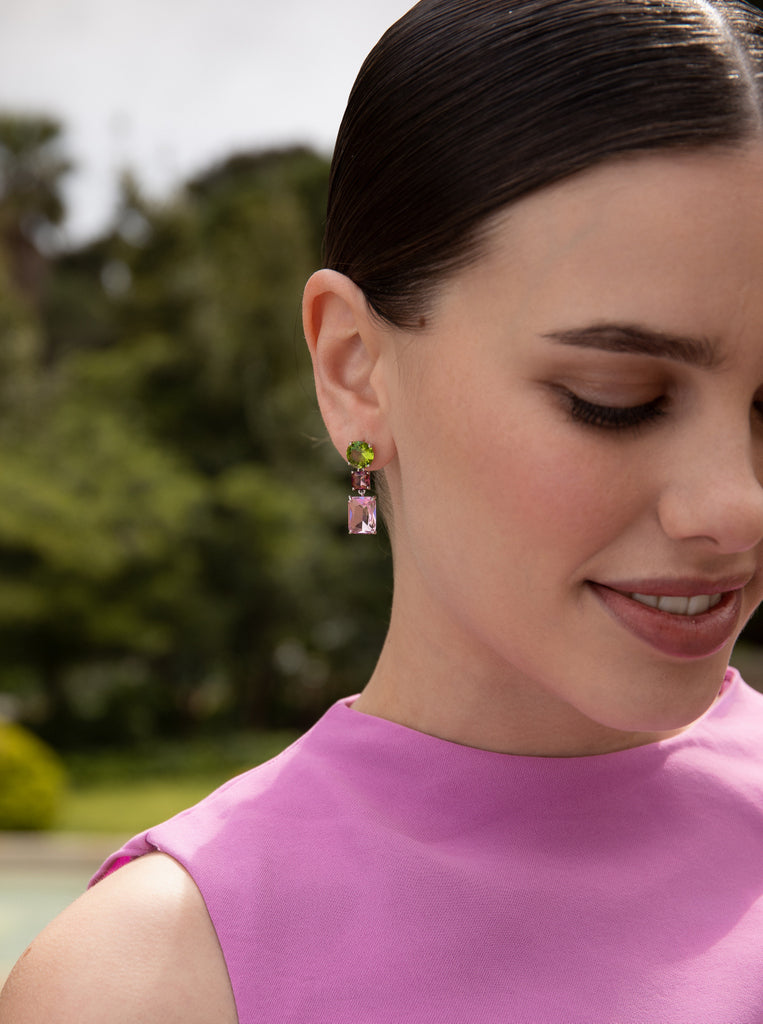
Earrings: they frame the face, they illuminate
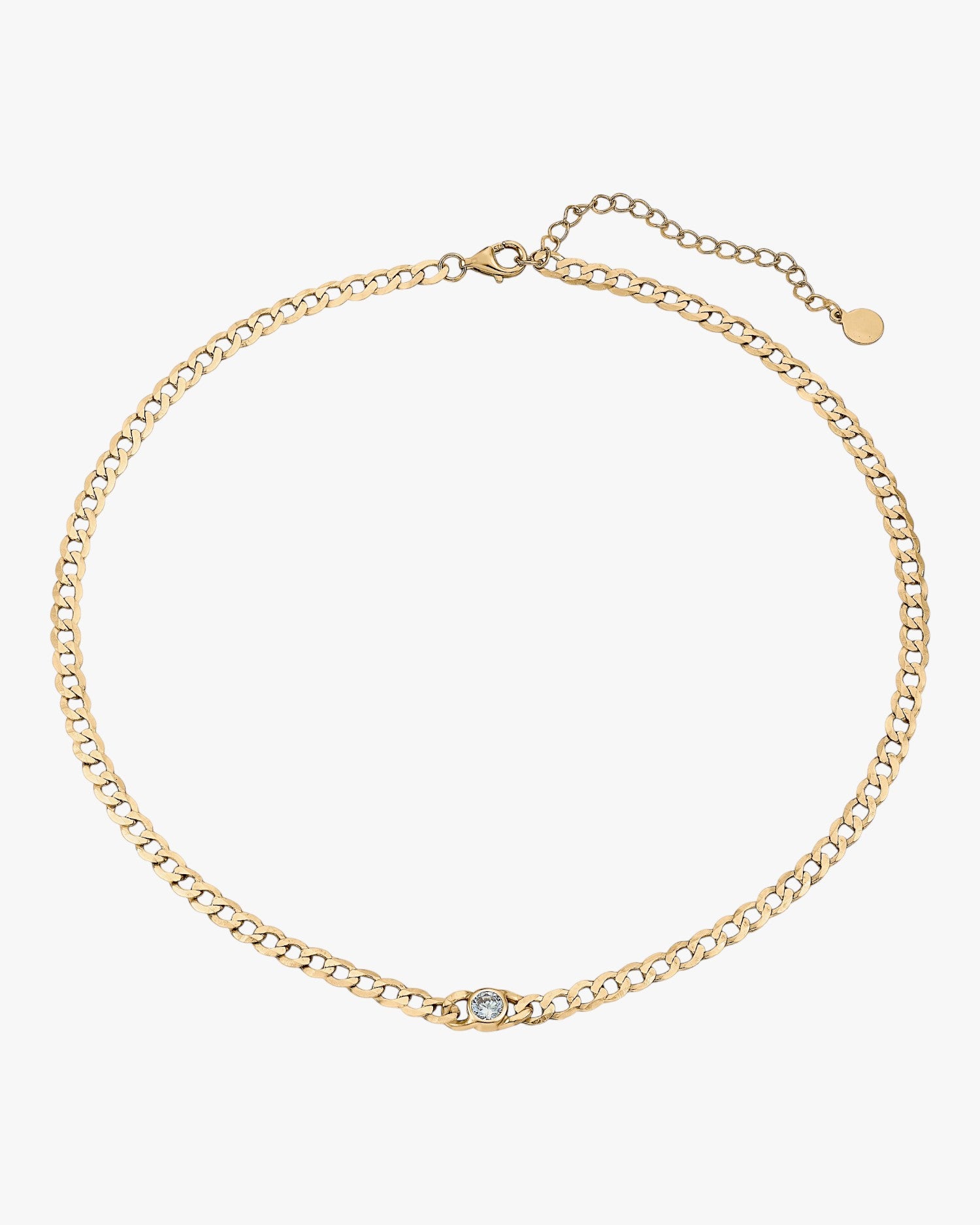
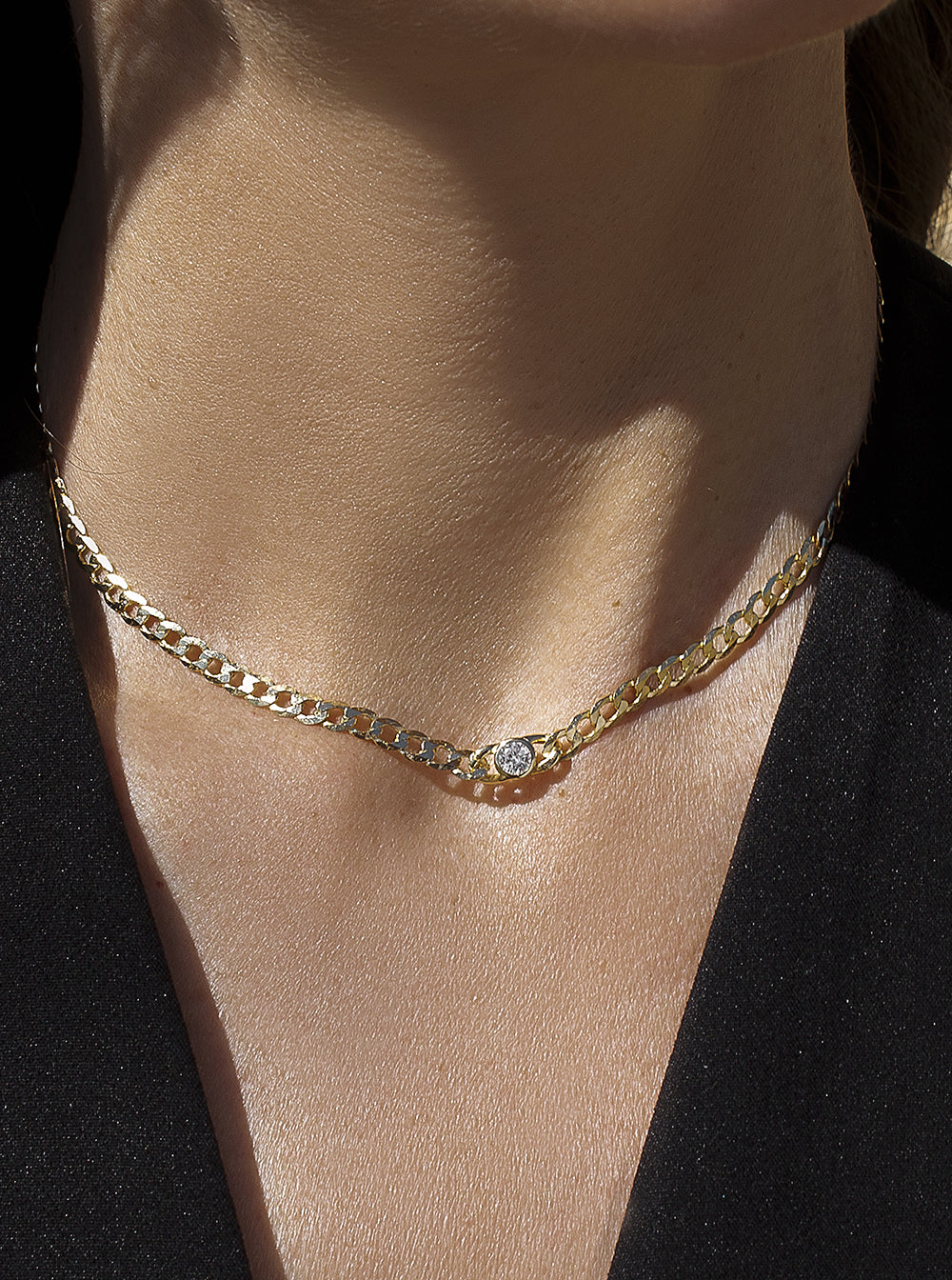
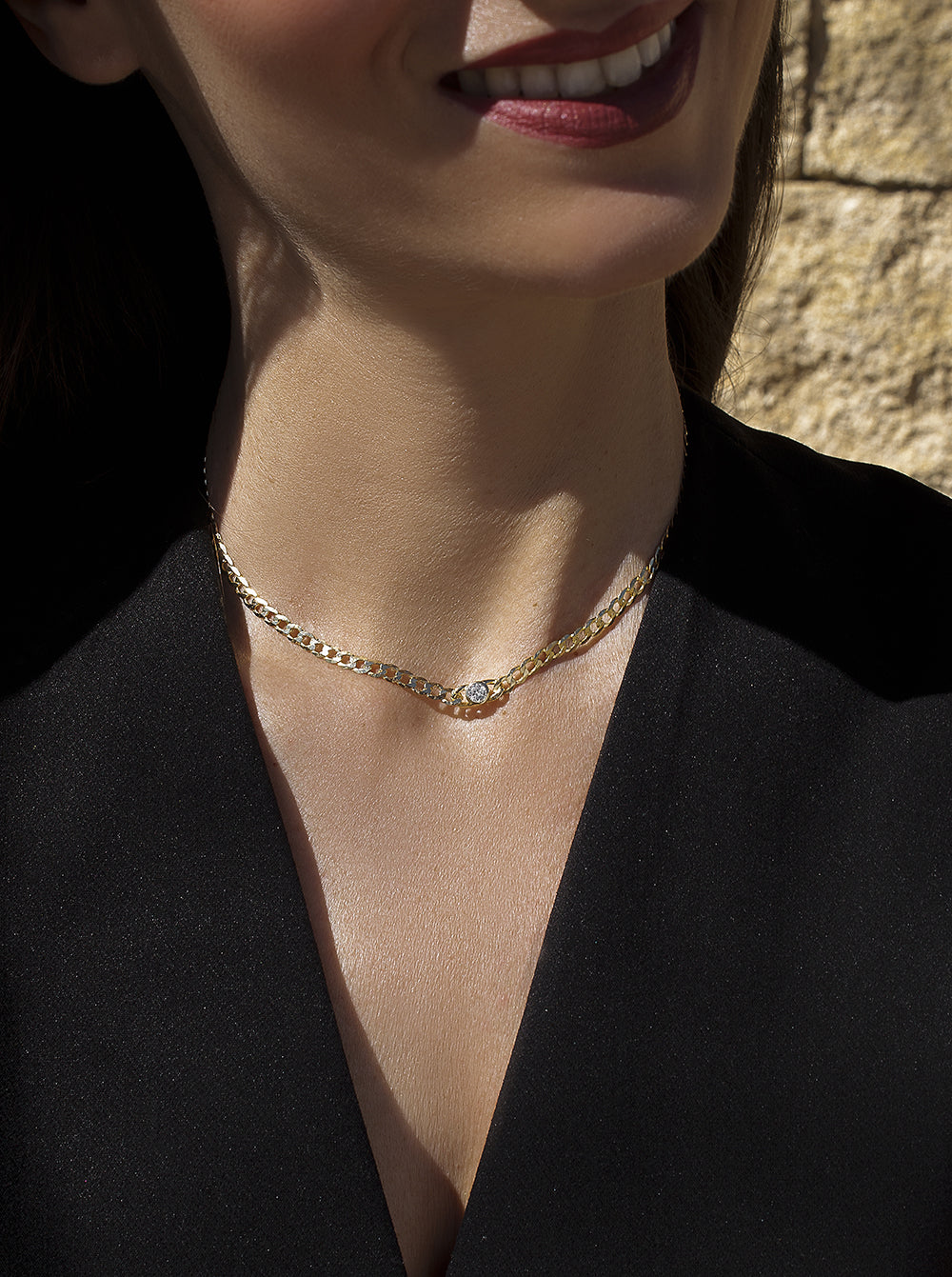
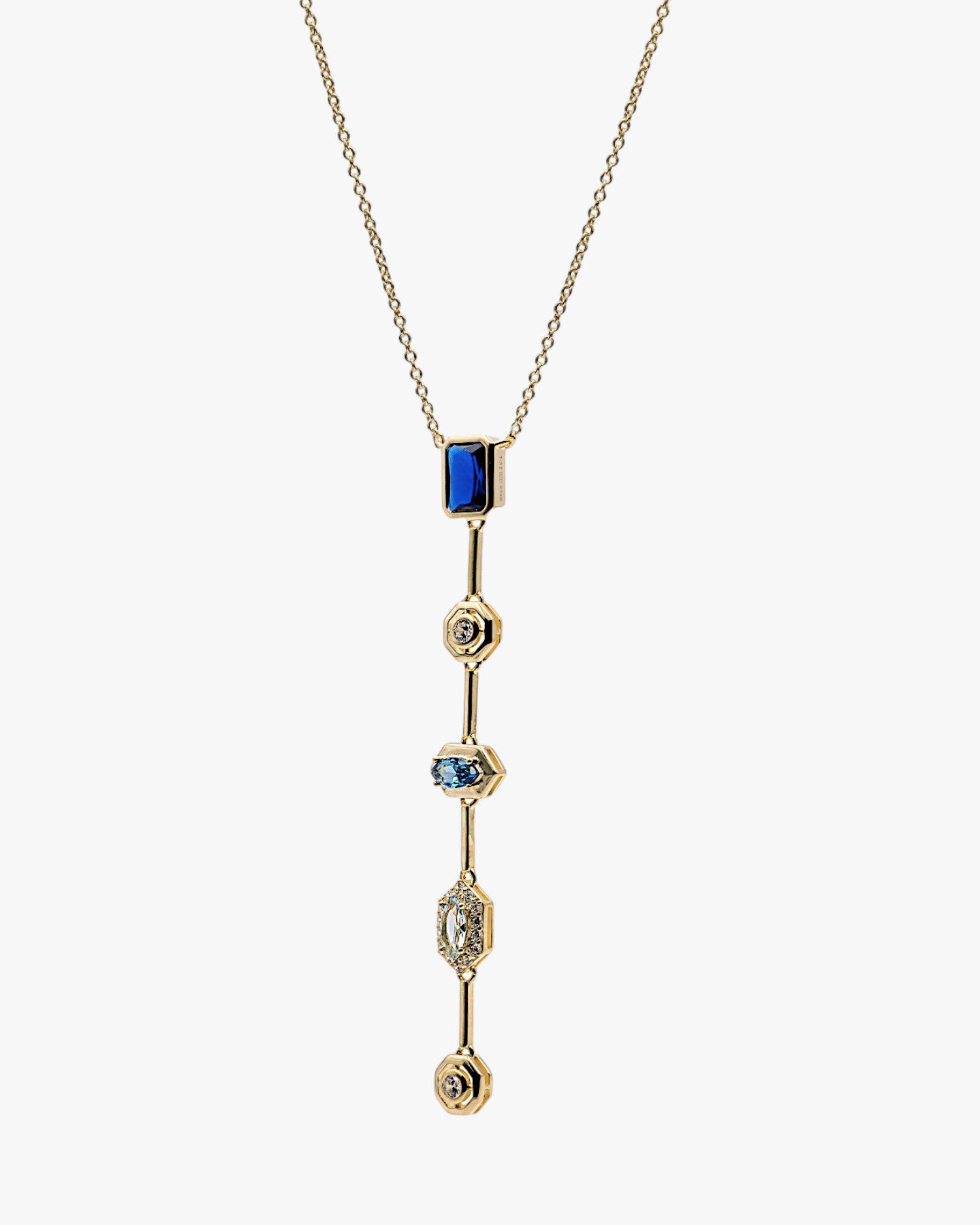
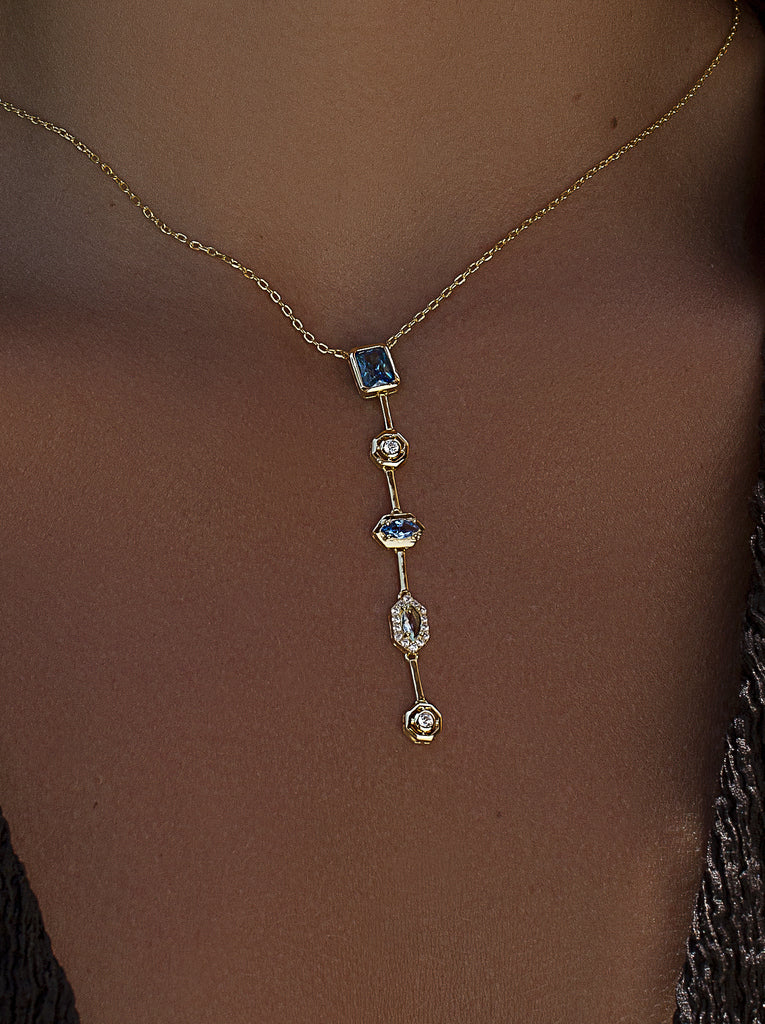
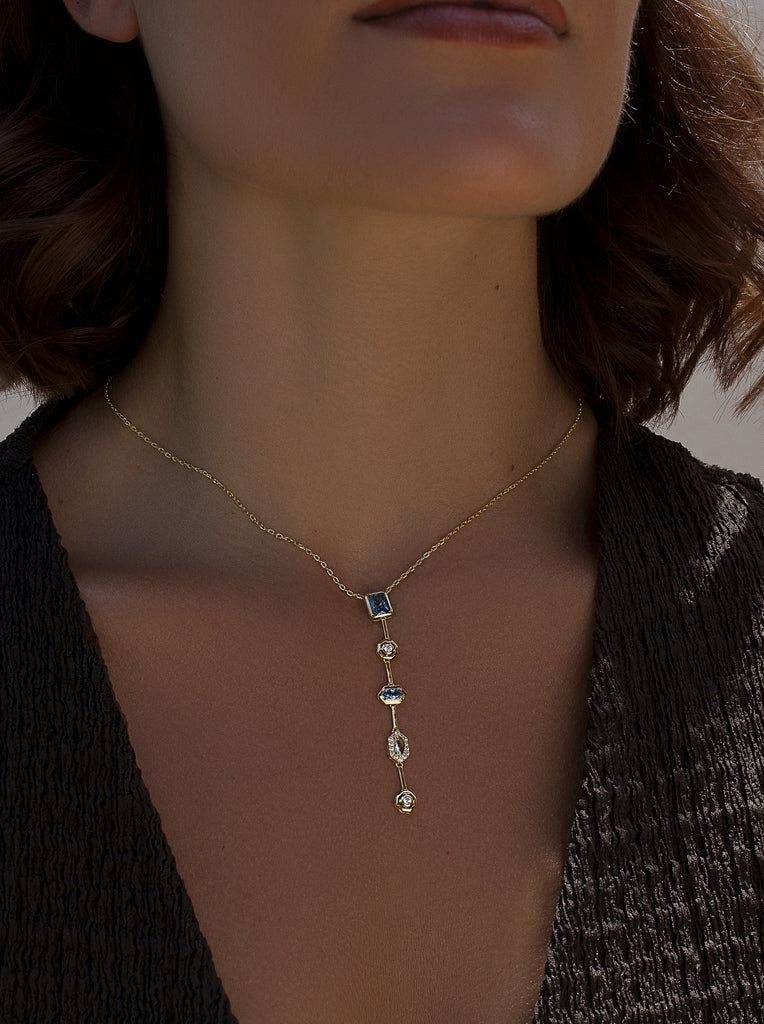
Necklaces or chokers: highlight the décolletage and neck
Bracelets: they add elegance, especially if the dress has short sleeves
Tiaras or headpieces with metallic or glittery details
These jewels can be bought by the bride, given as a gift by the family, or even inherited.
Which one has more symbolic value?
Undoubtedly, the engagement ring and wedding bands carry the strongest emotional weight.
But earrings, pendants, or inherited pieces have an equally deep emotional value if they have a family history, represent something special, or have been selected with love or intention.
Key factors when deciding who buys what
Budget and lifestyle
Budget is one of the most decisive factors. That's why more and more couples are planning this purchase together to balance their desires with reality.
Investing in a piece of jewelry that lasts, represents you, and fits your style is more important than following external rules.
If you're in the process of looking for something meaningful, lasting, and well-designed, I recommend exploring this collection of bridal rings with designs that combine tradition and style.
Emotional meaning and personalization
Many couples choose personalized jewelry: with engravings, special stones, or unique designs. In these cases, it doesn't matter who pays, but who designs, creates, and delivers it.
Role of godparents and family
In traditional or religious weddings, the godparents have a leading role:
They can give the rings as a gift
They can give jewelry as a gift for the big day
They can also contribute an inherited item, such as "something old" or "something borrowed."
My experience: tradition, but with shared intention
From my point of view, the most beautiful thing is when both partners participate in the process. Yes, there are traditions… but there is also freedom. And that's what makes it even more special.
The key is that the jewelry represents the love and mutual commitment you have, regardless of who makes the purchase.
What to prioritize when buying jewelry
Unique style
Comfort
Meaning
Durability
Shared budget
Emotional moment of the election
How to make it a beautiful process, not a burden
Explore options together. Enjoy the process of choosing. Experiment with materials, designs, and textures. It's not about doing "the right thing," but about creating memories in the process.
Final tip: more love, less labels
If he wants to give you the jewelry, perfect.
If you want to choose them, that's fine too.
If you buy them together, even better.
The important thing is that each piece of jewelry tells a story, not an obligation.
Conclusion – Wedding jewelry is not inherited, it is chosen (with love)
Who buys the brides' wedding jewelry?
The answer is simple: those who choose them with love and respect.
Whether it's the groom, the bride, the best man and maid of honor, or both… what's important is that these jewels represent the bond, the history, and the intention to be together. Traditions can inspire, but what truly matters is what you build together.
Because in the end, jewelry isn't just metal and stone. It's a symbol of "yes forever."
Read more
What style of earrings makes you look younger?
Did you know that earrings can make you look younger… or older if you don't choose them carefully? The truth is, after 40, it's not about hiding your age, but about showing it off with elegance and...
Read more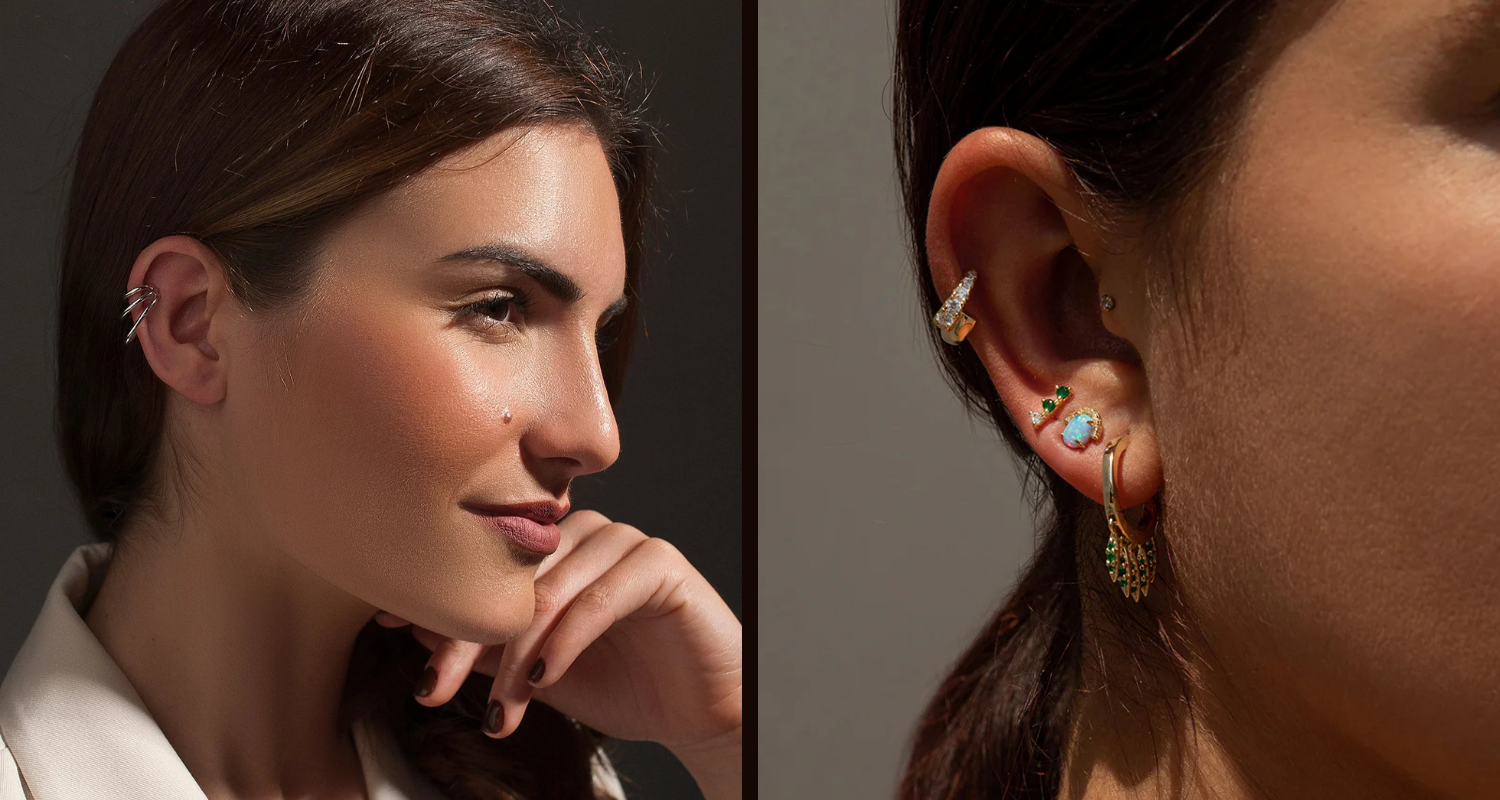
What is an ear cuff and how to wear it in your everyday life
Jewelry has the power to transform a look and convey a mood. Some pieces start as a passing trend and end up becoming essential… that's the case with the ear cuff. This earring, which has been s...
Read more